2402 Rice Boulevard, Suite C Houston, TX 77005

Does Teeth Whitening Damage Enamel? Myths vs. Facts

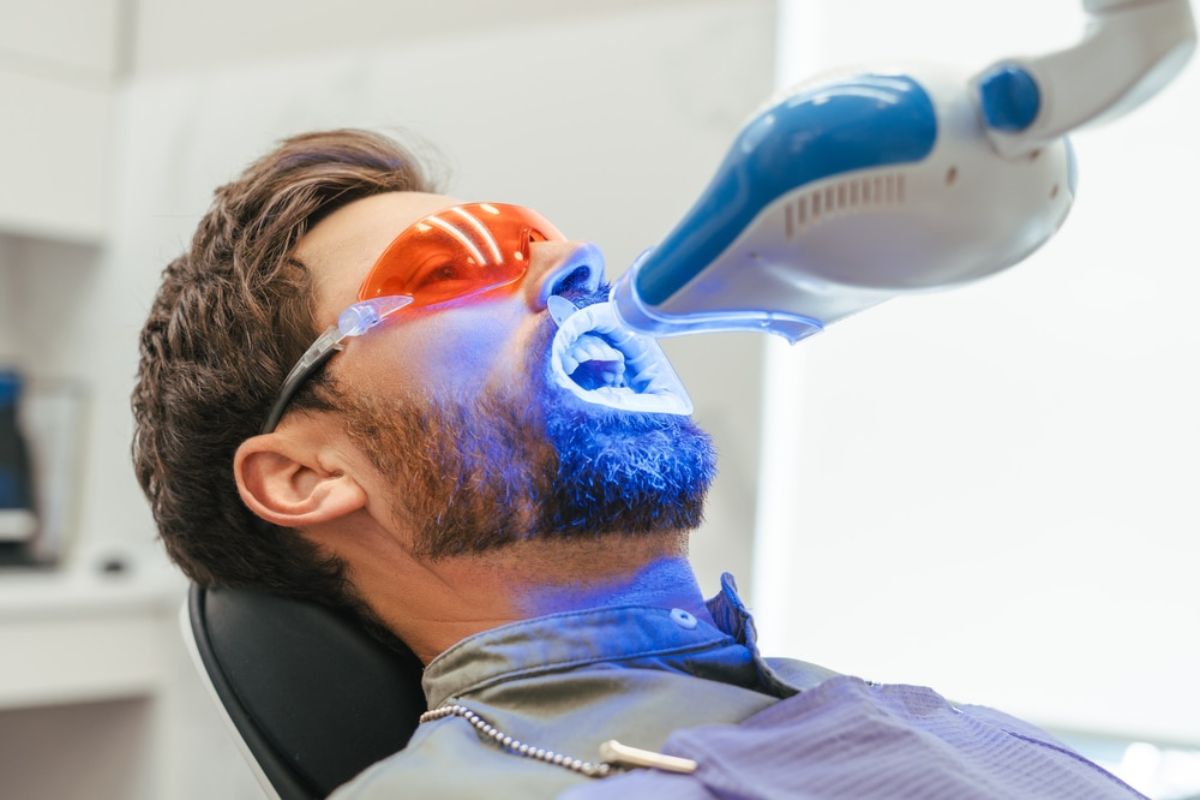
If you wish to have a brighter smile, but not at the cost of your enamel, then what can you do? With so much conflicting information spreading fast, it can become difficult to separate the facts from the fiction. Specifically, does teeth whitening damage enamel has become one of the prime concerns for which people are taking a step back. The answer is no, only if it is done correctly.
The fear should be about safe practices and reliable treatments. If you are in a dilemma, we can help you gain clarity. Knowing what affects enamel health can help you make an informed choice without unnecessary fear.
What Is Tooth Enamel and Why Is It Important?
Enamel is the hard outer coating that acts as a protective layer for your teeth. Although the hardest substance, it can wear down with excessive abrasion or chemical usage.
Teeth whitening treatments, either professional or at home, contain hydrogen peroxide or carbamide peroxide to clear stains, creating a shiny effect.
Yet, undergoing these procedures frequently does not allow the enamel to harden, which causes sensitivity or even severe damage.
You can save it!
Staying mindful while using bleaching products and seeking professional care when the situation is controllable promotes long-term dental health. But how safe are these treatments for your enamel?
Myths vs. Facts About Teeth Whitening Damaging Enamel
Worries about whether teeth whitening damage enamel, are common, but learning the truth ensures you can whiten safely and enjoy lasting results without risk:
Myth 1: Whitening Weakens Teeth Permanently
Fact: Whitening does not alter your enamel when properly used. It only removes surface stains.
Myth 2: Natural Remedies Are Safer Than Professional Treatments
Fact: Baking soda, charcoal, and acidic fruits can be more damaging than whitening agents. They can erode the outer coating of teeth gradually.
Myth 3: Dental Bleaching Causes Extreme Sensitivity
Fact: Temporary tenderness is normal. It is not a sign of damage and will fade away within a few days.
Myth 4: You Can Whiten Your Teeth a Lot
Fact: Overuse of these products can cause mild irritation, but using them as directed does not cause permanent loss.
What Affects the Safety of Teeth Whitening?
There are a few crucial factors to consider when it comes to how teeth whitening damages enamel:
- Type Of Treatment: Treatments done by professionals who know the correct usage of whitening agents. DIY methods do not offer the same level of precision and care.
- Frequency: Following your dentist’s guidance on how frequently to whiten for the best results without damage is crucial to protect your teeth from enamel erosion.
- Existing Dental Issues: If you have cracks, cavities, or gum problems, this approach is unsafe. It is always best to check with a dentist before starting any treatment.
- Product Quality: High-quality products are designed to give you great results while ensuring teeth whitening is safe for your enamel. Treatments done by professionals provide precision and care that DIY methods can’t match.
Can Teeth Whitening Enhance Your Smile’s Appearance?
Yes! Tooth bleaching is a non-abrasive dental therapy that gives your smile a shiny glow. Understanding the facts about “does teeth whitening damage enamel” helps you choose treatments that are both safe and effective, ensuring long-lasting results.
Explore safe and effective teeth whitening at The Village Dentistry in Houston, where your smile is treated with expert care. Enjoy brighter, healthier results without risking your enamel. Schedule your appointment today and achieve a dazzling smile with comfort and confidence.