
2402 Rice Boulevard, Suite C Houston, TX 77005
My hygienist was awesome and made me feel comfortable and I felt I was getting a spa for my teeth The music was relaxing and the staff is always so nice. The office area was clean and well organized.

- La Shaun M.
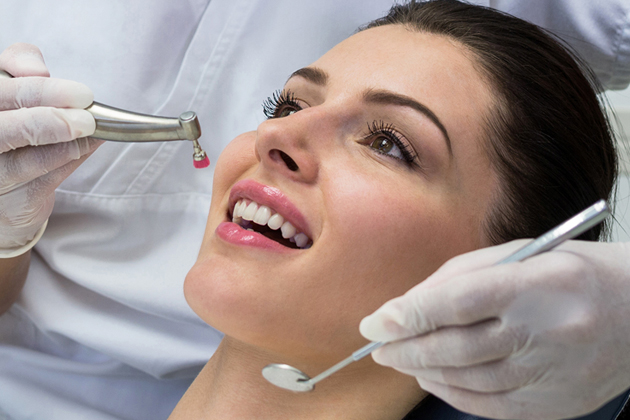
Standard Cleaning (Prophylaxis)
A standard cleaning, also known as prophylaxis, is a preventive procedure performed on patients with generally healthy gums. This routine cleaning is designed to maintain oral health and prevent gum disease. During a standard cleaning, a dental hygienist or dentist will remove plaque and tartar (hardened plaque) from the teeth, particularly around the gum line and in between teeth. Afterward, the teeth are polished to remove surface stains and make it more difficult for plaque to accumulate on the teeth. This type of cleaning is typically recommended every six months.
Gingival Scale for Gingivitis
Gingivitis is the early stage of gum disease and can often be reversed with proper treatment. A gingival scale is a cleaning specifically targeted at patients with gingivitis. It involves a more thorough cleaning than a standard cleaning to remove plaque, tartar, and bacteria from the teeth and gum line. The goal is to reduce inflammation, eliminate the cause of gingivitis, and prevent the progression to more severe forms of gum disease. In addition to traditional scaling instruments, a laser is be used during this procedure to reduce bacterial count and promote healing.
Deep Cleaning (Scaling and Root Planing - SRP)
Deep cleaning, also known as scaling and root planing (SRP), is a non-surgical procedure performed on patients with periodontitis, a more advanced form of gum disease. This treatment involves two steps:
- Scaling: Removal of plaque and tartar from above and below the gum line, reaching deep into the pockets between the teeth and gums.
- Root Planing: Smoothing the roots of the teeth to help the gums reattach to the teeth and reduce the depth of the pockets where bacteria thrive.
SRP is typically done over multiple visits and may involve the use of local anesthesia to ensure comfort. Similar to the gingival scale, a laser is used to further reduce bacterial count and promote healing of the gum tissue.
Determining Your Cleaning Needs
The type of cleaning you require will be determined by the dentist and hygienist during your examination. This assessment considers your gum health, the presence of plaque or tartar, and any signs of gum disease. Based on these findings, the appropriate cleaning procedure will be recommended to maintain or restore your oral health.
These descriptions will help patients understand the different levels of care provided and set expectations for their appointments.
Laser technology is an advanced tool used in periodontal treatment to improve the effectiveness and comfort of procedures like gingival scaling and deep cleaning (scaling and root planing, or SRP). Here's how a laser is used in periodontal treatment:
Laser Use in Periodontal Treatment
In periodontal treatment, lasers are a powerful tool that complements traditional cleaning methods. By reducing bacteria, promoting tissue healing, and minimizing invasiveness, lasers help achieve better outcomes in managing gum disease and restoring oral health.
Key Benefits and Functions of Laser in Periodontal Treatment:
- Bacterial Reduction: The laser emits light energy that selectively targets and destroys harmful bacteria residing in the periodontal pockets. By reducing the bacterial load, the laser helps control the infection and prevent further damage to the gums and supporting structures of the teeth.
- Tissue Healing and Regeneration: The laser can stimulate the regeneration of healthy gum tissue. It promotes healing by reducing inflammation and encouraging the reattachment of the gums to the tooth surfaces. This helps reduce pocket depth, which is crucial in preventing the recurrence of periodontal disease.
- Minimally Invasive: Laser treatment is less invasive compared to traditional surgical methods. It minimizes the need for cutting or stitching, which leads to less discomfort, bleeding, and swelling during and after the procedure. This can result in a faster and more comfortable recovery for the patient.
- Precision and Selectivity: Lasers allow for precise targeting of diseased tissue while leaving healthy tissue unharmed. This selectivity enhances the overall effectiveness of the treatment and reduces the risk of complications.
- Comfort and Reduced Anxiety: Many patients find laser treatment more comfortable than traditional methods. The procedure is often quicker and can reduce the need for local anesthesia, which helps alleviate anxiety related to dental procedures.