2402 Rice Boulevard, Suite C Houston, TX 77005

Is Chewing Ice Bad for Your Teeth? Dentists Warn About the Risks

By The Village Dentistry | June 3, 2025
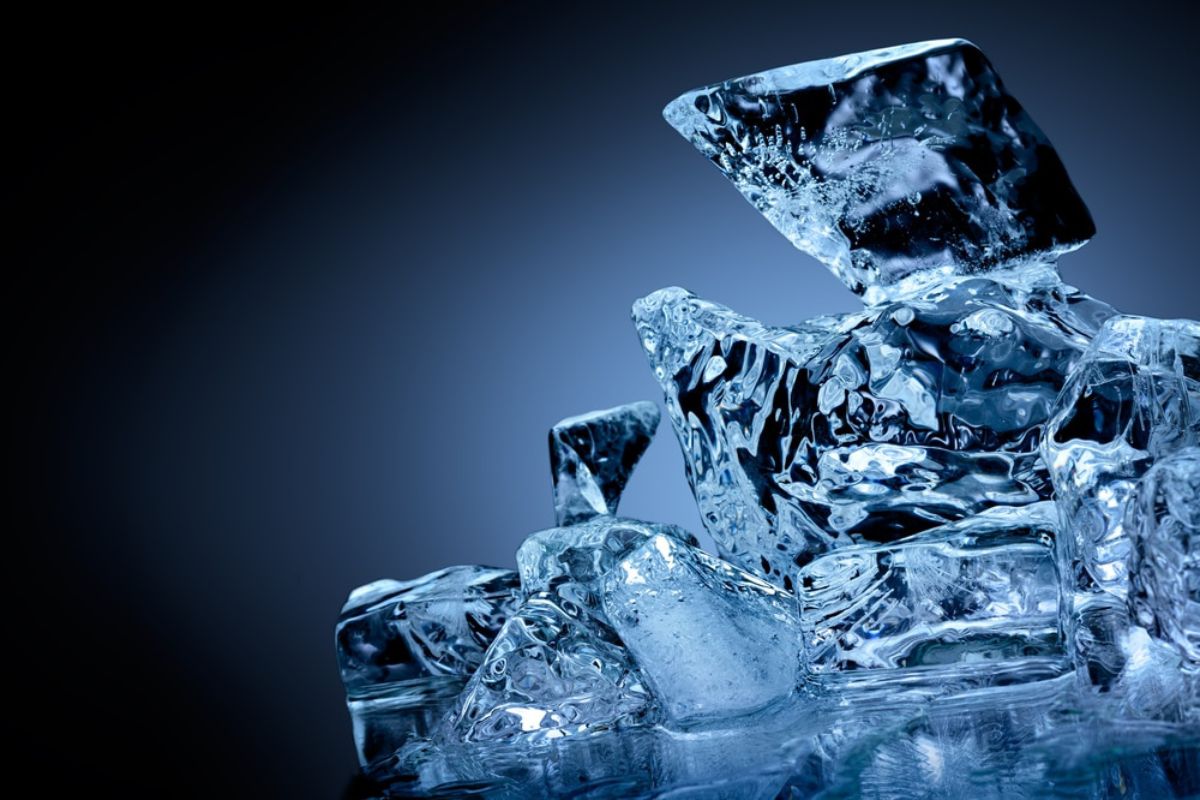
Do you enjoy crunching on ice cubes after you have finished your drink? It may seem harmless and even satisfying, many people do not realize that chewing on ice can damage their teeth over time. Dentists often see damage from this habit when it goes unchecked.
This blog highlights the risks of chewing ice, what dental experts say, and how to break this habit for good.
Why Do People Chew Ice? A Closer Look
Chewing ice is a common habit that has various causes. Some people chew ice to reduce stress or boredom. Others like the texture or find it cool. However, for some individuals, constantly chewing ice is a sign of an underlying condition called pica. It is a disorder that causes cravings for non-food items.
In many cases, iron deficiency anemia is linked to ice chewing. If you are constantly chewing ice, speak to your dental practitioner. It is not just a dental concern; it can also indicate a medical issue.
How Does Ice Damage Teeth?
Ice may appear soft, but it is hard enough to harm your teeth. The ice chewing habit puts extreme pressure on the enamel, the protective outer layer of teeth. Over time, it can further lead to
- Chipped or cracked teeth
- Tooth sensitivity
- Dislodged fillings or crowns
- Worn enamel
- Irritated gums
- Jaw strain or tension
Small cracks develop and worsen with time, even if you do not feel pain immediately.
Is Chewing Ice Bad For Your Teeth? Here’s What Dentists Want You To Know
Yes, it is. Dental practitioners warn about this habit. Although it might seem minor, it can lead to long-term dental issues. Ice is risky for those who have dental restorations like crowns, fillings, or veneers. Chewing ice can loosen or damage them.
Also, constant cold exposure can increase tooth sensitivity. If you already experience pain while eating hot or cold foods, chewing ice can be even worse.
Our dentist in Houston explains that many patients visit with chipped teeth caused by chewing ice. It’s a more common dental emergency than people think.
Healthier Options to Ice Chewing
You don’t need to quit overnight. However, you can try out safer alternatives to satisfy the urge-
- Crushed ice – it is softer and less likely to harm your teeth
- Frozen Fruit – a healthier, tooth-friendly choice
- Sugar-Free Gum – keeps the mouth busy and increases saliva
- Cold Drinks Without Ice – satisfy the craving for cold without the crunch
Make these minor changes and reduce the risk of dental damage.
How To Break The Ice-Chewing Habit?
Breaking habits is never easy, but it is possible with practical tips
- Stay Aware– Notice when and why you chew ice
- Drink Through The Straw– keeps the ice away from the mouth
- Remove the Temptation – skip the ice in drinks
- Talk To The Dentist – get advice tailored to the dental practitioner’s needs.
- Address Medical Issues – rule out iron deficiency with a medical checkup.
Making these steps a part of your daily oral routine helps protect your dental health.
Chewing on ice can harm your teeth, and dentists caution against it. While it may appear harmless, ice chewing can result in significant dental damage, including enamel erosion and fractured teeth.
It’s always a good time to change this behavior. Be aware of the stress your teeth endure. Opt for better substitutes and watch for any warning signs. If you experience dental issues related to chewing ice, seeking prompt treatment can make a considerable difference.