2402 Rice Boulevard, Suite C Houston, TX 77005

Is Professional Teeth Whitening Safe for Your Enamel and Gums

By The Village Dentistry | August 3, 2026
Many Houston patients ask whether professional teeth whitening is truly safe. It is a fair question. Your enamel and gums are irreplaceable, and you deserve honest answers before committing to any cosmetic treatment. Understanding whether professional teeth whitening is safe for your enamel and gums in Houston starts with knowing how whitening actually works — and what the research says.
The short answer is yes — when performed or supervised by a licensed dentist, teeth whitening is considered safe for most healthy adults. However, individual factors play a big role. Let us walk through what you need to know.
How Professional Teeth Whitening Works on Enamel
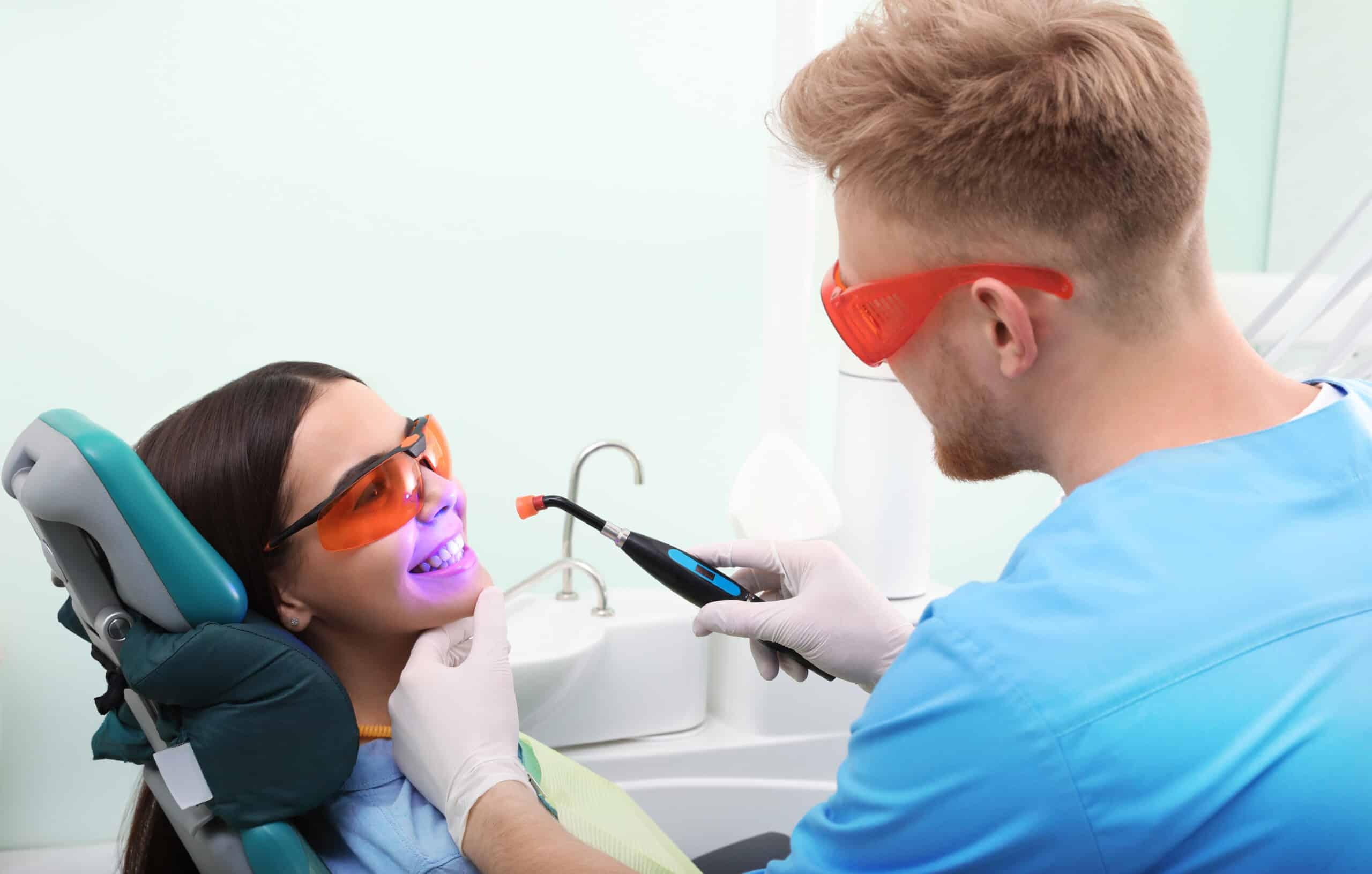
Professional whitening uses hydrogen peroxide or carbamide peroxide as the active ingredient. These compounds penetrate the outer enamel layer and break apart stain molecules inside the tooth structure. The process is chemical, not abrasive, which is an important distinction.
Abrasive whitening — like some over-the-counter scrubs — can physically wear down enamel over time. Professional bleaching does not sand or scrape the surface. Studies published in dental literature consistently show that professionally applied peroxide does not permanently weaken or thin enamel at recommended concentrations.
That said, temporary mineral changes do occur during treatment. Enamel can become slightly more porous right after whitening. This is why dentists often recommend remineralizing toothpaste after treatment. The enamel typically restores itself within a day or two.
What Happens to Your Gums During Whitening
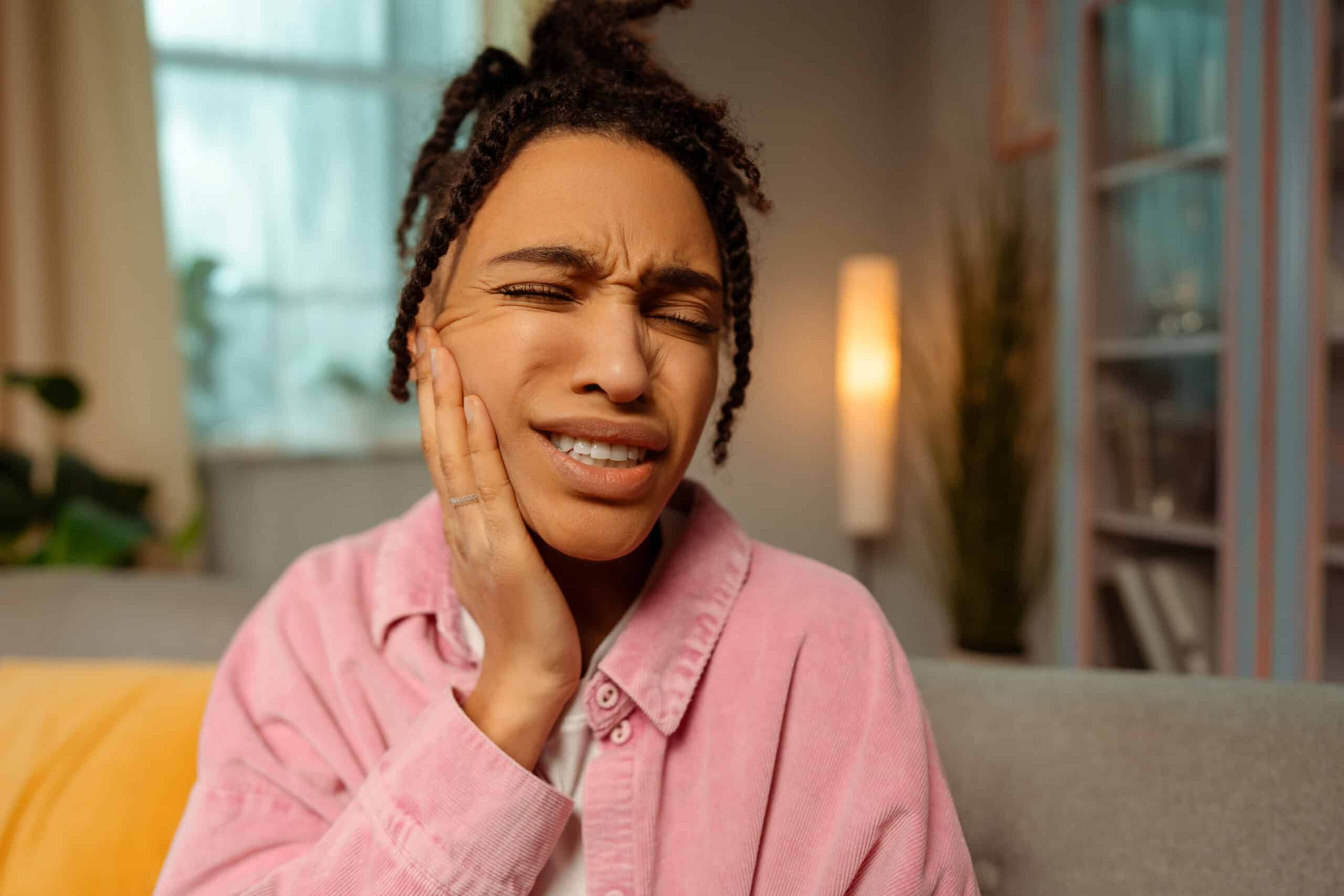
Gum sensitivity is the most common side effect of teeth whitening. It usually happens when the whitening gel contacts soft tissue. In-office treatments use protective barriers or gum shields to minimize this exposure.
At-home trays prescribed by your dentist are custom-fitted to your teeth. This precise fit reduces the chance of gel seeping onto the gum line. Over-the-counter strips, by contrast, are not custom-made and carry a higher risk of soft tissue irritation.
Any gum sensitivity that does occur after professional whitening is almost always temporary. Most patients report that discomfort resolves within 24 to 72 hours. If sensitivity persists beyond that, contact your dental provider promptly.
- Custom trays reduce gel contact with gums
- Protective barriers are used during in-office treatment
- Temporary gum irritation typically resolves within three days
- Persistent sensitivity warrants a follow-up visit
Who Should Avoid Teeth Whitening in Houston
Professional whitening is not appropriate for everyone. Certain dental and health conditions make whitening inadvisable or require special precautions. Knowing these exceptions helps you make an informed decision.
Patients with active gum disease, untreated cavities, or cracked teeth should address those issues first. Whitening agents can penetrate damaged areas and cause significant pain or deeper tissue damage. Your dentist will screen for these conditions before recommending whitening.
Pregnant or nursing patients are typically advised to postpone elective whitening treatments. The safety of peroxide ingestion during pregnancy has not been thoroughly studied. Caution is always the right approach in those cases.
- Active gum disease or periodontitis
- Untreated tooth decay or open cavities
- Cracked, chipped, or broken teeth
- Severe enamel erosion or exposed dentin
- Known peroxide sensitivity or allergy
- Pregnancy or nursing
- Children under 16 years of age
Patients with dental restorations like crowns or veneers should also set realistic expectations. Whitening agents do not change the color of porcelain or composite materials. Your dentist can advise whether whitening still makes sense alongside existing restorations.
Professional Whitening vs. Over-the-Counter Products
Houston pharmacies carry dozens of whitening strips, rinses, and toothpastes. Many patients wonder whether those products are just as safe and effective as professional treatment. The answer involves several important differences.
Over-the-counter products use lower peroxide concentrations, typically one to ten percent. Professional in-office treatments use concentrations of 25 to 40 percent, applied under controlled conditions. This difference means professional whitening produces faster, more noticeable results.
The safety gap matters too. Without a professional exam beforehand, you may unknowingly use whitening products on compromised teeth or gums. This is one reason dentists recommend a checkup as part of Routine Dental Care Houston before starting any whitening regimen.
Overusing store-bought products is also a common problem. Patients who whiten too frequently can experience increased tooth sensitivity and enamel wear over time. Professional supervision helps prevent this pattern.
How Dr. Ashley Christensen Evaluates Whitening Safety
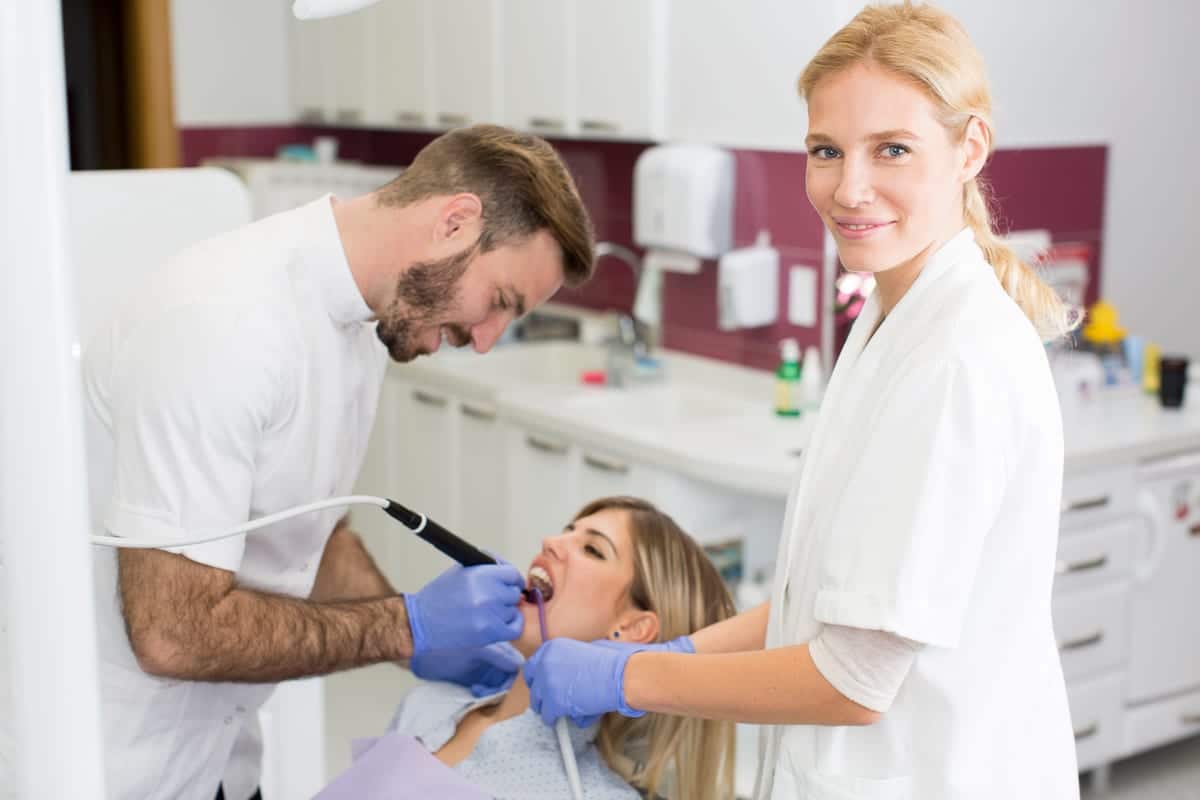
At The Village Dentistry in Houston, every whitening consultation begins with a thorough oral health evaluation. Dr. Ashley Christensen reviews your dental history, examines your enamel and gum health, and discusses your aesthetic goals. This process ensures whitening is appropriate before treatment begins.
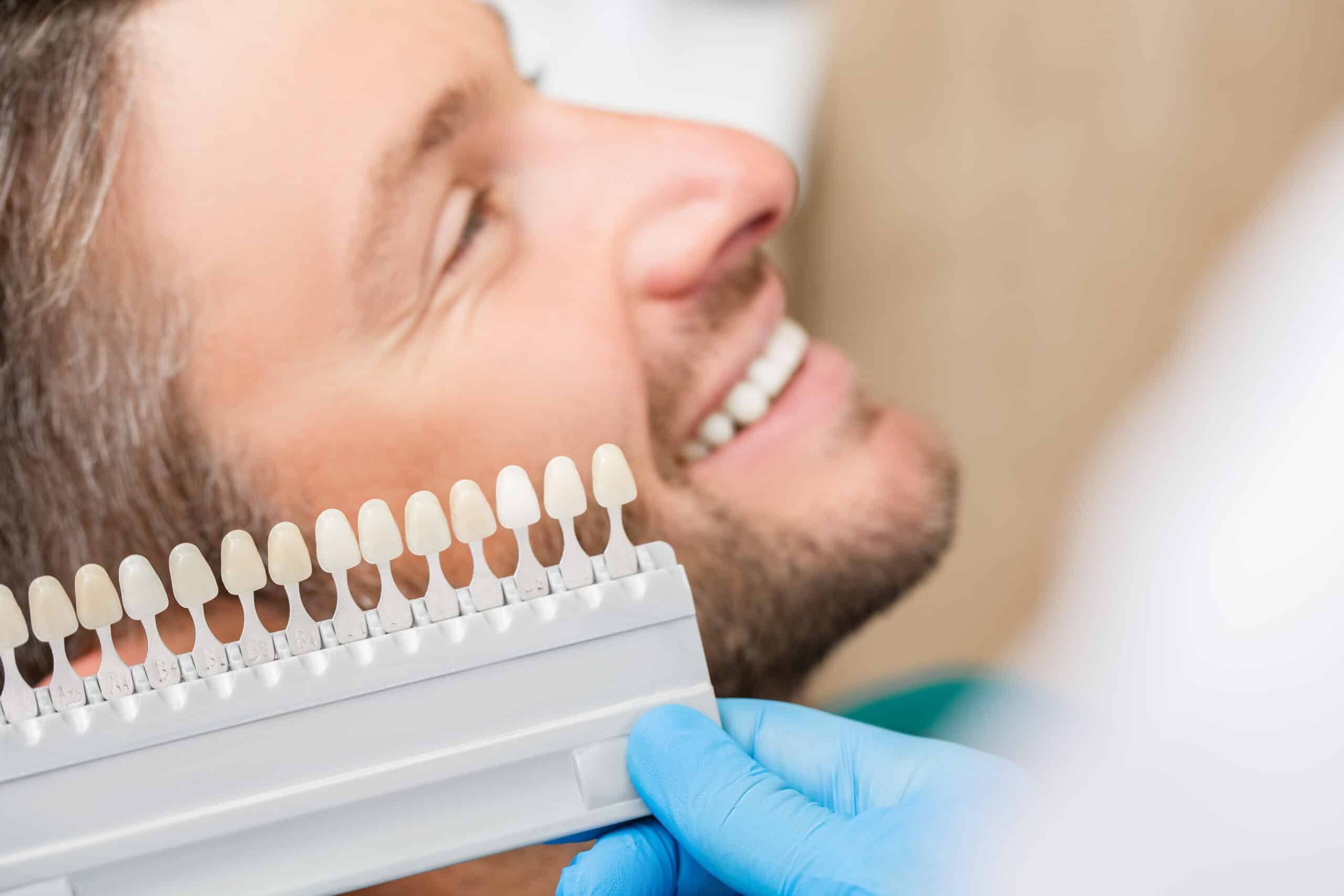
During your exam, Dr. Christensen will identify any existing sensitivity, recession, or restorations that may affect your whitening outcome. If there are concerns, she may recommend addressing them first — or suggest an alternative cosmetic option like Cosmetic Bonding Houston instead.
This personalized approach protects both your safety and your results. Whitening performed without proper evaluation is where problems tend to arise. A qualified dental team removes the guesswork entirely.
Tips for Protecting Your Enamel After Whitening
After your whitening treatment, a few simple habits help preserve your results and protect your enamel. These steps are easy to follow and make a real difference in how long your results last.
Avoiding highly acidic foods and drinks for 48 hours after treatment is strongly recommended. Your enamel is temporarily more porous right after whitening, making it easier for stains and acids to penetrate. Coffee, wine, and citrus are the main culprits to avoid in that window.
Using a soft-bristled toothbrush and fluoride toothpaste daily helps reinforce enamel strength. Sensitivity toothpastes containing potassium nitrate can also help calm any post-whitening discomfort. Ask Dr. Christensen which products she recommends for your specific needs.
Conclusion
Professional teeth whitening is safe for most healthy patients when performed or guided by an experienced dentist. Understanding the science behind how it works — and recognizing who should avoid it — helps you make a confident, informed choice. If you are in Houston and wondering whether whitening is right for you, The Village Dentistry is here to help. Contact us today to schedule your appointment with our team.
Frequently Asked Questions
Does professional teeth whitening damage enamel permanently?
No. Research shows that professionally supervised whitening at recommended peroxide concentrations does not permanently damage enamel. Temporary mineral changes occur but typically reverse within one to two days. Overuse of whitening products — especially unsupervised — is more likely to cause long-term sensitivity.
How long does tooth sensitivity last after whitening?
Tooth sensitivity after professional whitening usually lasts between 24 and 72 hours. Most patients experience mild, temporary discomfort. Using a sensitivity toothpaste before and after treatment can reduce this effect. If sensitivity lasts longer than a few days, consult your dentist.
Is whitening safe if I have crowns or veneers?
Whitening agents do not change the color of dental crowns, veneers, or composite bonding. If you have existing restorations, whitening may cause a mismatch between your natural teeth and your restorations. Your dentist can evaluate your situation and recommend the best cosmetic approach for even, consistent results.
Can I whiten my teeth at home safely in Houston?
Dentist-prescribed take-home whitening kits are a safe and effective option for Houston patients. These kits include custom-fitted trays and professional-grade gel. They are different from generic store-bought strips because they are designed specifically for your teeth, reducing the risk of gum irritation and uneven results.
How often can I safely whiten my teeth?
Most dentists recommend whitening no more than once or twice per year for maintenance. Whitening too frequently increases the risk of sensitivity and enamel wear. Your dentist at The Village Dentistry will recommend a schedule that balances your cosmetic goals with the long-term health of your teeth and gums.