2402 Rice Boulevard, Suite C Houston, TX 77005

Are You Actually a Candidate for Veneers? Take This Self-Assessment

By The Village Dentistry | August 10, 2026
Thinking about veneers but not sure if they’re right for you? You’re not alone. Many Houston patients wonder whether their smile qualifies — and the answer depends on more than just aesthetics. This self-assessment walks you through the key factors that determine veneer candidacy. By the end, you’ll have a clearer picture of whether veneers could be your next step toward a confident smile.
What Are Veneers and Who Are They Designed For?
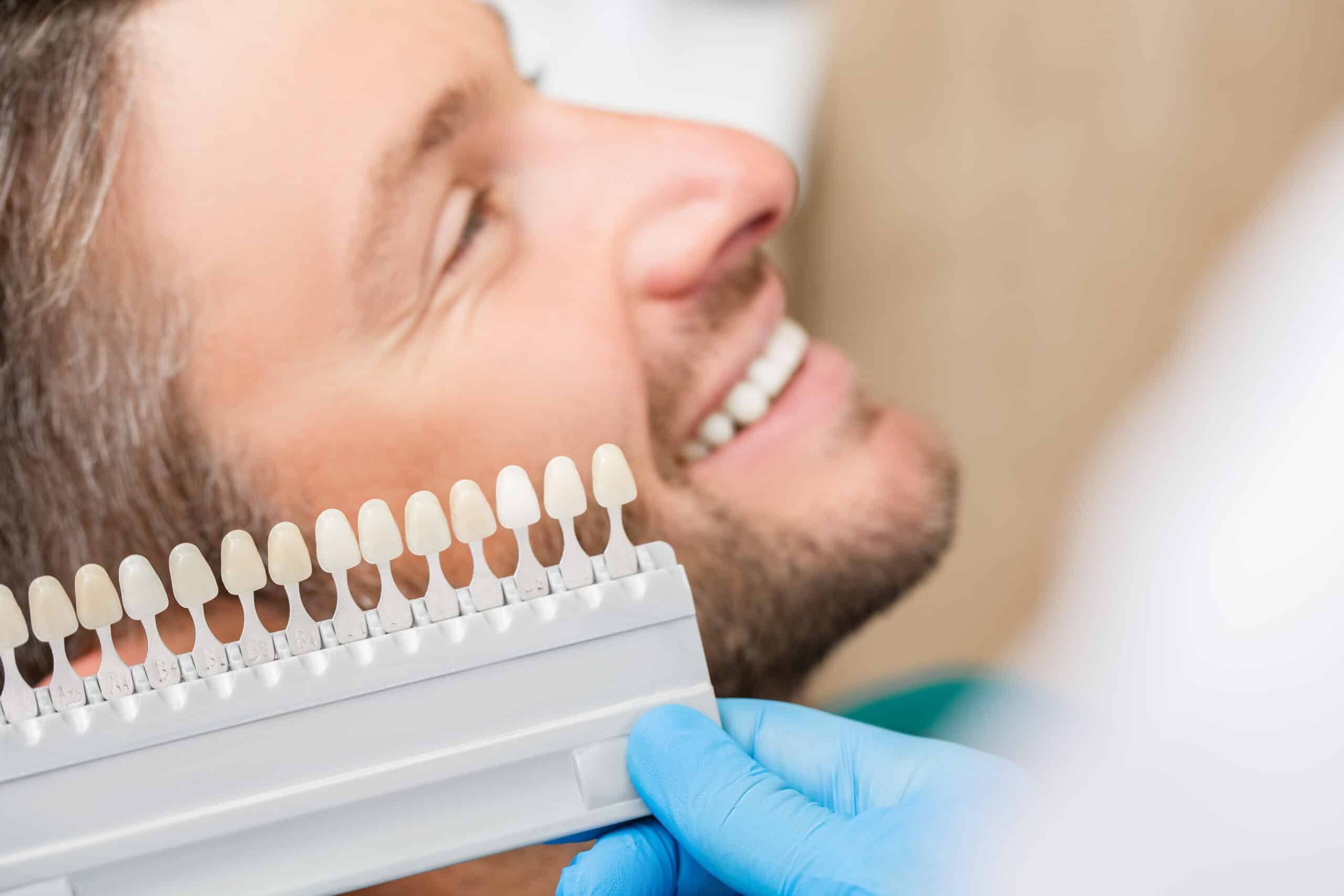
Veneers are thin porcelain or composite shells bonded to the front surface of your teeth. They address chips, cracks, staining, gaps, and minor misalignment. They work best for patients who want a dramatic cosmetic improvement without major orthodontic treatment.
However, veneers are not a universal fix. They require a sufficient amount of natural tooth enamel to bond correctly. Understanding the basics helps you enter your consultation with realistic expectations.
Houston patients exploring this option should also consider whether simpler treatments might suit their needs first. Some concerns — like minor discoloration or small chips — may be better addressed with Cosmetic Bonding Houston before committing to veneers.
Self-Assessment Checklist: Are You Actually a Candidate for Veneers in Houston?
Use this checklist as a starting point. It won’t replace a professional evaluation, but it helps you identify potential concerns before your appointment.
- Tooth enamel: Do you have enough natural enamel? Veneers require enamel for bonding. Heavy enamel erosion may disqualify you.
- Tooth structure: Are your teeth free from severe decay or large existing fillings? Compromised teeth may need crowns instead.
- Gum health: Are your gums pink, firm, and free from bleeding? Gum disease must be treated before veneers are placed.
- Bite alignment: Do you have a relatively stable bite? Severe overbites or underbites can stress veneers and cause premature failure.
- Grinding habits: Do you grind or clench your teeth at night? Bruxism significantly shortens veneer lifespan.
- Staining concerns: Is your discoloration intrinsic (inside the tooth)? Veneers cover stains that whitening cannot reach.
- Realistic expectations: Do you understand veneers are permanent and irreversible? Enamel removal cannot be undone.
If you checked most of these positively, veneers may be a strong option for you. If you flagged concerns around grinding or gum health, don’t worry — those issues are often treatable first.
Tooth Structure and Enamel: The Foundation of Candidacy
Veneers bond directly to enamel. Without adequate enamel, the bond fails — and the results won’t last. Dentists remove a small layer of enamel during preparation, so there must be enough to work with.
Patients with significant enamel erosion from acid reflux, frequent soda consumption, or aggressive brushing may not qualify. A simple exam and X-rays reveal enamel thickness quickly.
Existing decay or large fillings also complicate veneer placement. A tooth with a large filling may not have enough stable structure to support a veneer long-term. In those cases, a dental crown often provides better protection and coverage.
The good news? Most Houston adults with generally healthy teeth and minor cosmetic concerns will have adequate enamel. A quick consultation with Dr. Ashley Christensen at The Village Dentistry confirms your status right away.
Gum Health, Bite, and Habits That Impact Veneer Success
Your gums play a critical role in veneer success. Veneers are placed near the gumline, so active gum disease creates a serious problem. Inflamed or receding gums affect how veneers fit and look.
If you have gum disease, it must be fully treated before veneer placement begins. Maintaining routine dental care in Houston is essential both before and after veneers. Regular cleanings protect your investment long-term.
Bite issues also matter significantly. Patients with severe misalignment may place uneven pressure on veneers. This leads to cracking or debonding over time. In some cases, completing Invisalign treatment first improves both the bite and the final veneer result.
Grinding and clenching (bruxism) is one of the biggest risk factors for veneer failure. If you wake up with jaw soreness or headaches, mention it to your dentist. A custom nightguard can protect your veneers after placement — but severe, uncontrolled bruxism may require additional evaluation first.
Habits and Lifestyle Factors to Consider Before Getting Veneers
Veneers are an investment. Your daily habits determine how long they last. Certain behaviors increase the risk of chipping, staining, or failure.
- Nail biting or pen chewing: These habits put repeated stress on veneer edges.
- Biting hard foods: Chewing ice, hard candy, or very crunchy foods can fracture veneers.
- Tobacco use: Smoking or chewing tobacco can stain composite veneers and harm gum tissue.
- Skipping dental cleanings: Veneers still require regular professional care to stay bright and bonded.
- Using teeth as tools: Opening packages or bottles with your teeth risks immediate damage.
Porcelain veneers resist staining better than composite versions. However, neither type is indestructible. Patients who commit to protective habits and regular checkups typically enjoy veneers for 10–15 years or more.
Lifestyle changes are sometimes all that stands between you and candidacy. Dr. Christensen takes time to discuss your habits during consultations. This ensures your veneers succeed from day one.
What Happens If You’re Not Quite Ready for Veneers?
Not everyone passes this self-assessment on the first try — and that’s completely okay. Many patients need a preparatory phase before veneers make sense.
Common preparatory steps include gum disease treatment, cavity repairs, or orthodontic alignment with Invisalign. These steps create a healthier foundation and improve your final results. Think of it as building a strong base before decorating the house.
Some patients discover that cosmetic bonding or professional whitening solves their concerns without the commitment of veneers. These options are less invasive and completely reversible. Your dentist helps you find the right fit for your specific smile goals and oral health status.
The goal at The Village Dentistry is never to push a treatment — it’s to recommend what genuinely serves your health and confidence. That approach makes a real difference in long-term satisfaction.
Schedule Your Veneer Candidacy Evaluation in Houston
This self-assessment gives you a solid starting point, but only a professional exam confirms your candidacy. Dr. Ashley Christensen at The Village Dentistry in Houston, TX, evaluates your enamel, gum health, bite, and overall oral health to create a personalized treatment plan. Whether veneers are your next step or preparatory care comes first, you’ll leave with a clear, honest roadmap. Contact us today to schedule your appointment with our team.
Frequently Asked Questions
How do I know if I have enough enamel for veneers?
Your dentist determines enamel thickness through a visual exam and X-rays. Most patients with healthy, untreated teeth have sufficient enamel. Patients with significant erosion, heavy acid exposure, or previous enamel damage may need alternative treatments like crowns.
Can I get veneers if I grind my teeth?
Bruxism doesn’t automatically disqualify you, but it does increase risk. Dr. Christensen may recommend treating the grinding first and fitting you with a custom nightguard before or after veneer placement. Uncontrolled grinding can crack or loosen veneers prematurely.
Do I need to fix my gum disease before getting veneers?
Yes. Active gum disease must be fully treated before veneer placement. Inflamed gums affect how veneers fit, look, and stay bonded. Once your gum health is stable, veneers can be placed safely and with much better long-term results.
Are veneers reversible?
No. Veneer placement requires removing a thin layer of enamel, which cannot grow back. This makes veneers a permanent commitment. It’s important to be fully informed and confident in your decision before moving forward with treatment.
What’s the difference between veneers and cosmetic bonding?
Veneers are custom-crafted porcelain or composite shells fabricated in a lab and permanently bonded to your teeth. Cosmetic bonding uses tooth-colored resin applied directly to the tooth in a single visit. Bonding is reversible and less expensive, while veneers offer greater durability and a more polished, long-lasting aesthetic result.