2402 Rice Boulevard, Suite C Houston, TX 77005

After Wisdom Teeth Removal When Can I Eat Regular Food

By The Village Dentistry | May 21, 2025
Recovering from a wisdom tooth extraction is a process that requires patience, care, and close attention to what you eat. During the initial days following the procedure, your mouth remains vulnerable. Any unnecessary pressure or irritation at the extraction site can delay healing and even lead to complications. That is why knowing when and how to reintroduce normal food is just as important as any other aftercare step.
Why Does Eating Mindfully Matter After Extraction?
Immediately after your procedure, you will likely notice swelling, tenderness, and limited jaw movement. While medication and ice packs can ease the discomfort, your food choices play a major role in how quickly you recover. Eating too aggressively or introducing the wrong diet too early can disrupt the healing process.
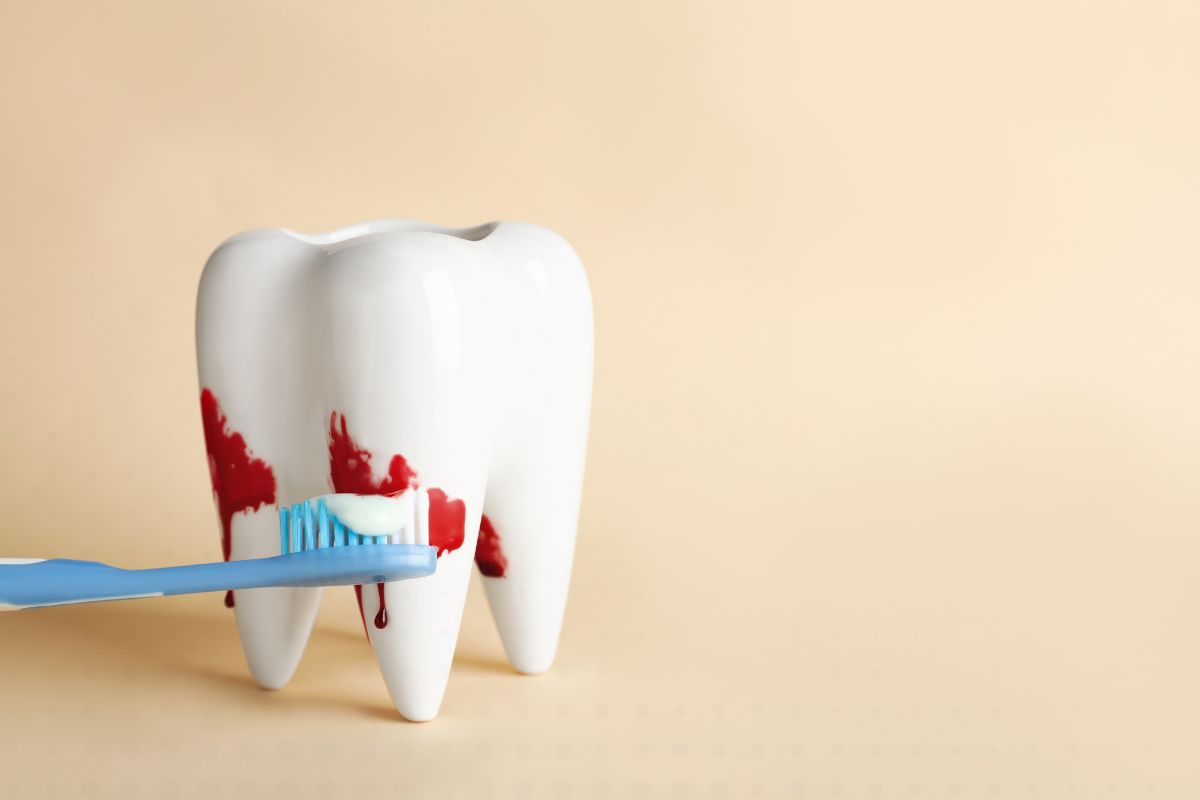
One of the most important reasons to be cautious is to avoid dry socket. This condition occurs when a blood clot in the socket gets dislodged or doesn’t form properly. Without the clot, the underlying nerves are exposed, causing severe pain. Dry socket is not only painful, but can also significantly delay recovery. There is also a
of infection if food particles or bacteria enter the extraction site. Poor oral hygiene often causes complications that are treated with antibiotics or professional cleanings from our Houston dentist.
Understanding the Post-Extraction Healing Timeline
Dentists typically recommend a soft diet for the first few days after tooth extraction. The initial recovery phase usually lasts between seven and ten days. However, each patient’s healing journey may vary slightly. Listening to your body and following professional guidance is essential.
The First Few Days: Stick to Soft Foods
For the first 48 hours, focus on liquids and very soft foods. Think along the lines of broths, smoothies, or yogurt. These are gentle on your mouth and do not disturb the blood clot forming at the site.
Day 3 to 4: Gentle Transition
By this time, most patients are ready to try slightly more substantial food options. Soft mashed foods such as scrambled eggs, applesauce, or well-cooked oatmeal are good choices to start with. At this stage, chewing should be minimal and preferably done on the opposite side of the tooth extraction site.
Around Day 5 to 7: Testing Normal Foods
Starting on the fifth day, you may begin trying more solid textures like cooked vegetables, pasta, or tender chicken. The key is to chew slowly and avoid crunchy, sticky, or spicy items. If chewing causes any pain, it is best to return to the soft option and try again after a day or two.
When Can You Resume Your Regular Diet?
Most dentists advise a gradual return to your usual diet starting around the seventh day, depending on how your mouth is healing. A good rule of thumb is to begin with soft-textured solid foods and avoid anything that could irritate the site, such as nuts, chips, or very hot dishes.
Visit Our Dentist for a Smooth Recovery Post-Extraction
Chew with care and avoid using the side where the tooth was removed. Keep up with gentle brushing and rinsing to maintain hygiene, and schedule routine consultations with your dentist. Avoid using straws and smoking, as these can interfere with the healing process.
You can get back to your regular dietary habits. If you experience unusual pain or swelling during this period, visit our dental clinic.