2402 Rice Boulevard, Suite C Houston, TX 77005

Can a Knocked Out Tooth Be Reattached?

By The Village Dentistry | May 2, 2025
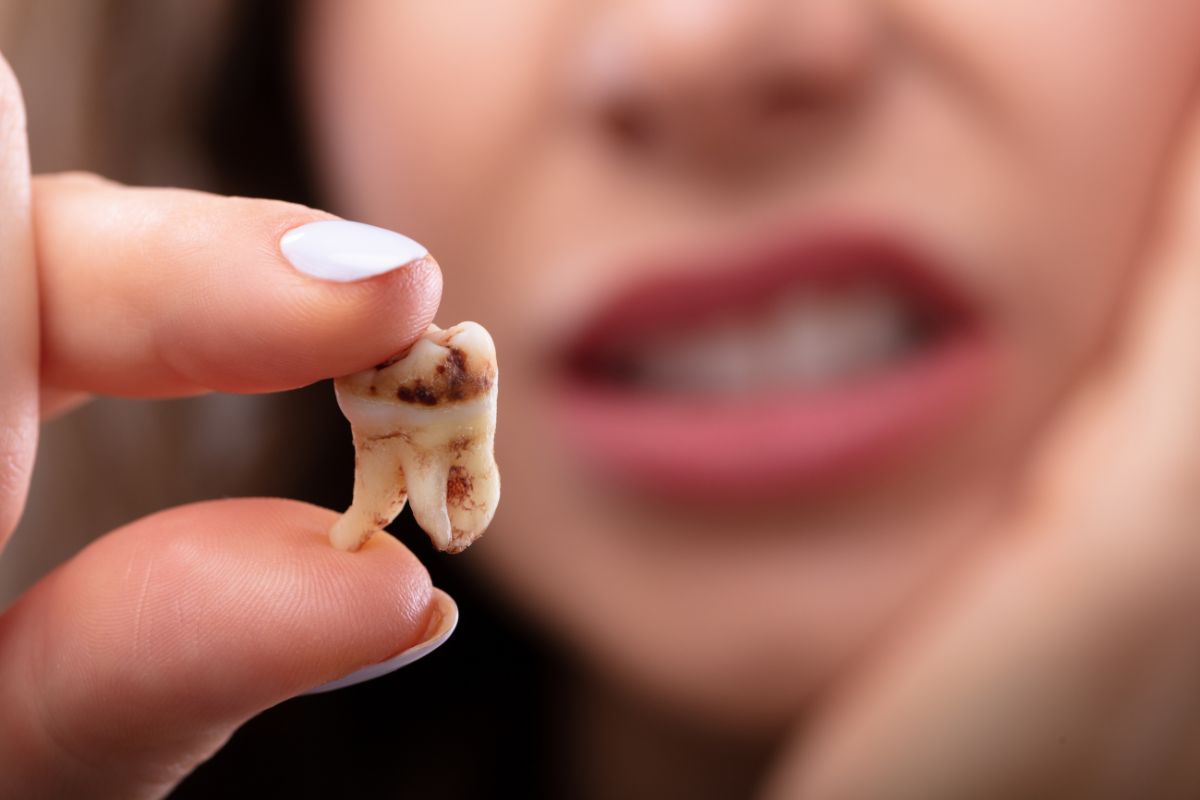
Tooth loss can occur at any age for various reasons. The most apparent causes include sports injuries, a sudden fall, aging, gum disease, or an unexpected accident. Knocked-out teeth are dental traumas that require emergency treatment to quickly recover and resume regular routines. Read this blog to understand when and how reattachment of a dislodged tooth into the socket is possible.
How Does Timing Matter for Tooth Reattachment?
When a permanent tooth is dislodged, acting quickly can make a significant difference to your dental health. Baby teeth, once knocked out, do not need to be reattached. However, if an adult tooth becomes dislodged from its socket, receiving immediate dental care within the next 30 minutes to an hour is crucial. This increases the chances of a successful reattachment and restoration of your smile. Beyond that window, the success rate of reattaching the tooth decreases. However, attempts can still be made if you approach a caring and emergency dentist to save your natural tooth.
What Should You Do Immediately to Save a Detached Tooth?
Right after spotting a tooth loss, try to stay calm. Panicking can delay the critical next steps, which need to be implemented as soon as possible.
If you can find the tooth, handle it very carefully. It’s best to hold it by the crown and not the root, which may otherwise disrupt the reattachment process. The root contains delicate cells that help the tooth reattach to the bone. Inappropriate touching or scrubbing of the roots can lead to permanent damage.
Rinse the tooth with cold running water if it’s dirty; do not scrub it or wrap it in a cloth. The ultimate goal is to keep the root intact and uncontaminated before receiving urgent dental care.
How to Reattach a Knocked-Out Tooth Until the Clinic Visit?
If possible, gently place the tooth back into its original socket. Bite down lightly on the gauze or a clean cloth to hold it in place. If it is not possible to follow any of these steps, place the tooth in a glass of milk to keep it moist. Placing it in water is not often recommended by your dentist, as it can damage the cells necessary for reattachment. As a last resort, holding the tooth inside the cheek can preserve it until professional care is available. However, this step is highly advised only for older children or adults.
What Happens When You Visit an Emergency Dentist?
Once you arrive, your practitioner will carefully examine the area and clean the dental socket to prevent infection. The tooth may be reinserted and stabilized using a small wire or splint that connects it to the surrounding teeth. This helps hold it in place while the bone and tissue begin to reattach.
If the tooth is out of the socket for an extended period of time, you may need to have additional procedures. Sometimes, a root canal may be necessary to remove the damaged pulp and prevent future infection. In some cases, the tooth can be successfully bonded back to the surrounding bone if it is stabilized quickly and correctly.
Over the next several weeks, your emergency dentist will monitor the healing process. Your reimplanted teeth need time and proper care to reintegrate fully. This is why your practitioner encourages you to return to the dental practice for periodic checkups and X-rays for a fast recovery experience.
Book Your Emergency Dental Appointment
If you or a loved one ever experiences knocked-out teeth, act quickly and follow the above mentioned steps. At The Village Dentistry, we’re equipped to guide you through the restoration process with quality care and precision. Trust our dentist to increase the chances of saving your natural tooth whenever possible.