
2402 Rice Boulevard, Suite C Houston, TX 77005

Can You Be Allergic to Metal Braces? Symptoms, Causes, and Solutions

By The Village Dentistry | September 24, 2025
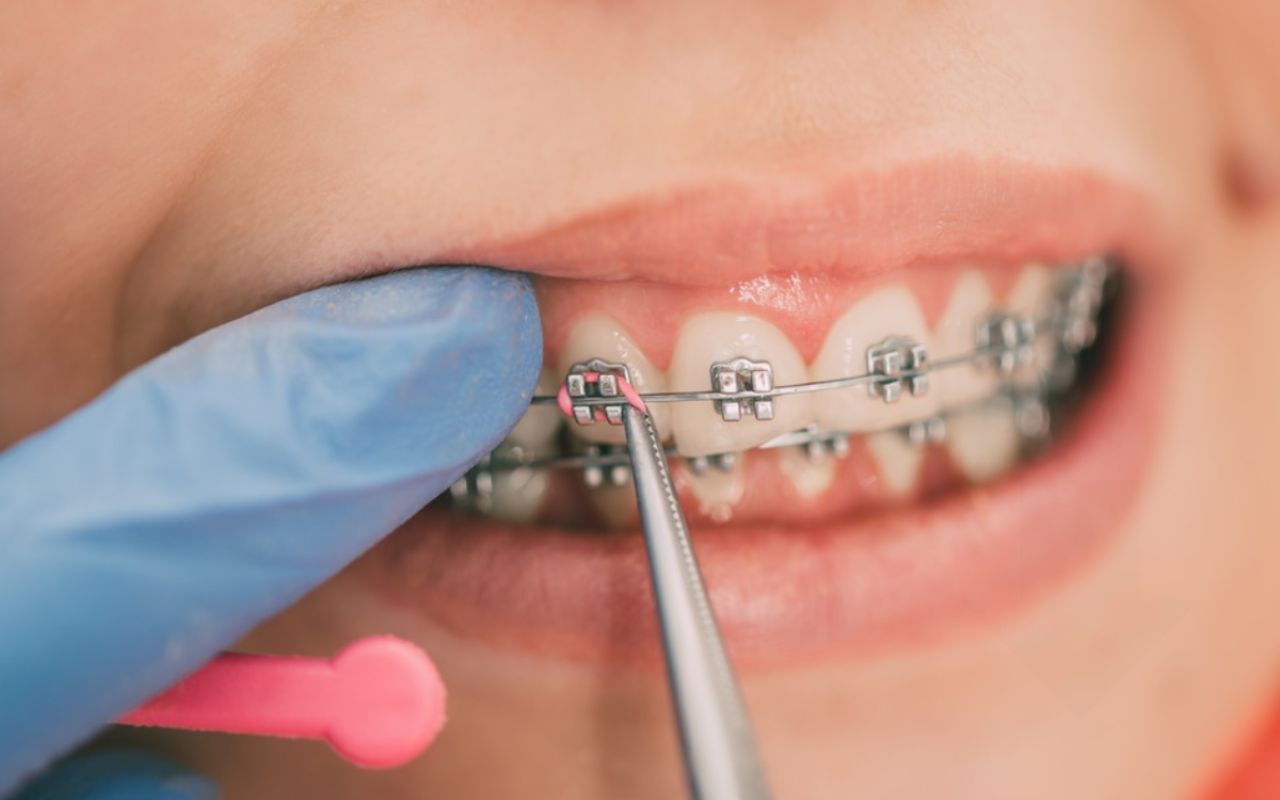
“Can you be allergic to metal braces?” This is a concern that some patients have before starting orthodontic treatment. While braces are designed to be safe and effective for most people, a very small number may experience allergic reactions to certain materials.
These reactions are usually linked to nickel, a common element in stainless steel, or other trace metals in brackets and wires. Understanding the signs, causes, and solutions ensures patients feel prepared and supported throughout their orthodontic journey.
What Are the Symptoms of a Metal Allergy from Braces?
Recognizing the symptoms early is vital to avoid unnecessary discomfort and complications. Reactions to braces can appear within days or weeks after placement. Common signs include:
- Redness or swelling: Gums, cheeks, or lips may become inflamed.
- Persistent itching or burning: This discomfort often doesn’t improve with adjustments.
- Mouth sores or rashes: Irritation on the tongue, cheeks, or lips may develop.
- Increased sensitivity: Patients may notice pain when eating hot, cold, or spicy foods.
- Skin reactions outside the mouth: In rare cases, nickel sensitivity can cause rashes on the face or chin.
Not every irritation during treatment with metal braces is caused by an allergy. Soreness is a normal part of orthodontic adjustments, but symptoms that persist or worsen may point to an allergic reaction.
What Causes an Allergy to Braces?
The leading cause of orthodontic allergies is nickel sensitivity. Nickel is often found in stainless steel brackets and wires. Patients with an existing nickel allergy, such as those who develop rashes from wearing jewelry, are at higher risk of reacting to braces.
Other contributing factors may include:
- Prolonged contact between metal parts and oral tissues
- Elastics, bands, or coatings containing trace allergens
- Genetic predisposition that makes some people more sensitive
It’s important to remember that not every irritation during treatment is caused by an allergy. Soreness is a normal part of orthodontic adjustments, but symptoms that persist or worsen may point to an allergic reaction.
Can You Be Allergic to Metal Braces in Every Case?
The majority of orthodontic patients never experience allergies. However, people with a known history of reactions to earrings, watches, or other jewelry should mention this during their consultation. An orthodontist can help determine whether testing is needed or if alternative treatment options are more suitable.
How Is an Allergy to Braces Diagnosed?
Diagnosis usually involves a combination of patient history and clinical evaluation. If symptoms suggest an allergy, a dermatologist may perform a patch test. This test places small amounts of nickel or other suspected metals on the skin to see if a reaction occurs.
A clear diagnosis prevents unnecessary treatment delays. It also helps orthodontists choose the safest materials for the patient, such as nickel-free braces, ceramic brackets, or clear aligners.
What Are the Solutions for Metal Allergy?
Fortunately, several solutions allow patients to continue orthodontic treatment safely:
- Nickel-Free Braces: Made with titanium or alternative alloys, these brackets and wires are designed for patients with sensitivities.
- Ceramic Braces: These brackets are tooth-colored and contain minimal metal, reducing direct exposure.
- Clear Aligners: Systems such as Invisalign avoid metal altogether and straighten teeth with removable trays.
- Protective Coatings: Some brackets can be coated with special materials to limit contact with oral tissues.
Your orthodontist will recommend the best option based on the severity of the allergy and your treatment goals.
How Can You Prevent Problems Before Treatment?
Prevention starts with communication. During your initial orthodontic consultation, share any history of skin reactions to jewelry or watches. If you suspect an allergy, testing before braces are placed can save time and discomfort later. Patients who know they are sensitive may be advised to choose ceramic braces or aligners from the start.
It also helps to maintain excellent oral hygiene throughout treatment. Keeping the mouth clean reduces irritation and allows your orthodontist to spot potential issues sooner.
Safe Orthodontic Care for Every Patient
Can you be allergic to metal braces? The answer is yes, but it is rare. This does not mean you cannot achieve a healthy, well-aligned smile. With early detection, accurate diagnosis, and safe alternatives, orthodontic treatment is possible. At The Village Dentistry, we offer modern orthodontic solutions, including alternatives for patients with sensitivities. If you have concerns or are ready to begin your journey toward straighter teeth, visit our dental office today or book an appointment online with our dentist who prioritizes your comfort and health.
