2402 Rice Boulevard, Suite C Houston, TX 77005

The Ultimate Guide to Recovering from Dental Implant Surgery

By The Village Dentistry | August 23, 2024
Dental implant surgery is a significant step toward restoring your smile and improving your overall oral health. We understand that the healing process is critical for the long-term success of your new smile. Here is exactly what you need to know about recovering from dental implant surgery and how to ensure a smooth, comfortable healing process.
Understanding the Dental Implant Recovery Timeline
Immediately after your dental implants are placed, it is normal to experience some localized swelling, bruising, and mild discomfort. These are typical post-surgical effects and usually subside within a few days. Here is a general timeline of what to expect during your dental implant recovery:
-
First 24-48 Hours: Expect some minor bleeding, swelling, and discomfort. Follow the post-operative care instructions provided by your dentist meticulously, including taking prescribed medications and applying ice packs to the outside of your jaw to reduce swelling.
-
First Week: Swelling and bruising should start to decrease significantly. Stick to a strict soft-food diet and avoid hard, crunchy, or sticky items that might disturb the surgical site. Maintain good oral hygiene by gently brushing your adjacent teeth and rinsing with warm salt water.
-
1-2 Weeks: Most of the initial discomfort will completely subside, and you will begin to feel much more comfortable. Continue to follow your dentist’s aftercare instructions and attend your scheduled follow-up appointment to ensure the gum tissue is healing properly.
-
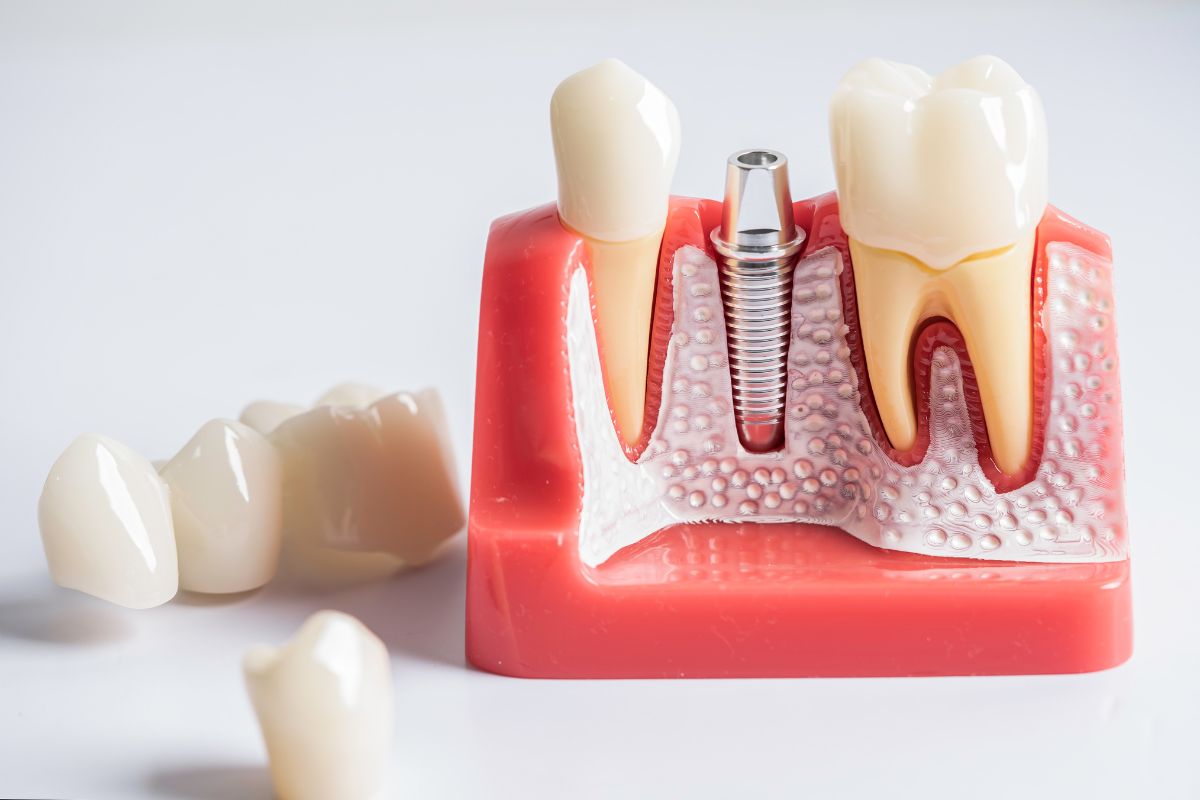
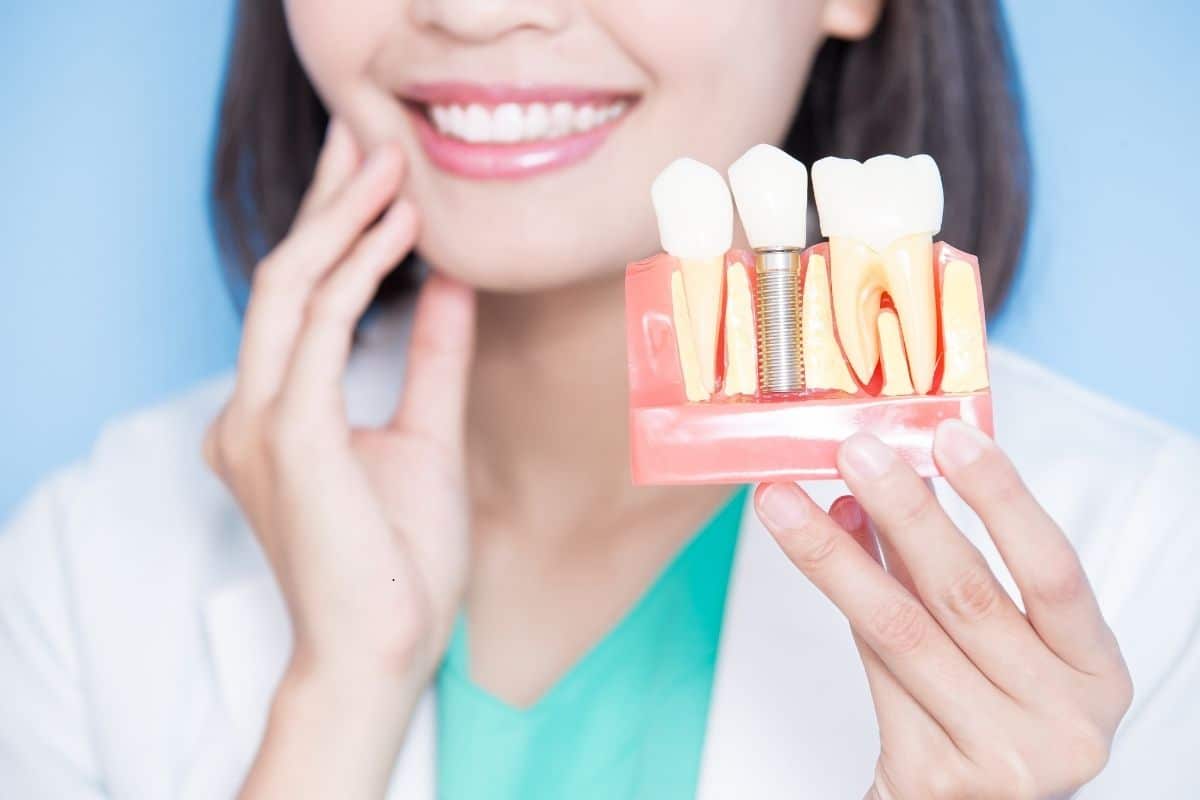
1-6 Months: Beneath the gums, the titanium implant is actively integrating with your jawbone in a biological process called osseointegration. During this crucial phase, avoid placing excessive biting pressure on the implant site and maintain your routine check-ups to monitor the internal healing process.
5 Tips for a Smooth Dental Implant Recovery
-
Follow Post-Operative Instructions: Adhere strictly to the guidelines provided by your dentist, including medication schedules, dietary restrictions, and oral care practices. These instructions are designed to promote rapid healing and prevent complications.
-
Manage Discomfort Effectively: Over-the-counter pain relievers or specifically prescribed medications can easily manage early pain and discomfort. Always follow your dentist’s recommendations for safe medication use.
-
Maintain Strict Oral Hygiene: Keeping your mouth clean is essential for preventing bacterial infection. Use a soft-bristled toothbrush and actively avoid brushing directly over the surgical site until your dentist confirms it has fully healed.
-
Avoid Smoking and Alcohol: Smoking and alcohol consumption severely impair blood flow and the body’s natural healing process, greatly increasing the risk of implant failure. It is best to avoid these substances entirely during your dental implant recovery period.
-
Attend Follow-Up Appointments: Regular visits to a general dentist in Houston are crucial for monitoring the progress of your recovery and ensuring the implant is fusing securely with the bone.
When to Contact Your Dentist
While the vast majority of patients recover from dental implant surgery without any issues, it is important to be aware of warning signs that may indicate a complication. Contact your dentist immediately if you experience:
-
Severe or throbbing pain that is not relieved by prescribed medication.
-
Excessive swelling or bruising that worsens after the first three days.
-
Difficulty chewing, swallowing, or speaking that worsens over time.
-
Persistent bleeding that does not stop with applied pressure.
We are dedicated to providing you with comprehensive, compassionate care throughout your entire tooth replacement journey. Our team is here to answer any questions you may have and to ensure that your recovery is as smooth and successful as possible.
Why Choose Dental Implants?
Dental implants offer a permanent, natural-looking solution for missing teeth. They are expertly designed to mimic the exact function and appearance of your natural teeth, providing a durable and aesthetically pleasing result. With proper daily care and routine maintenance, dental implants can last a lifetime, vastly enhancing your oral health and quality of life.
If you are considering dental implants or have recently undergone surgery, our experienced dental team is committed to delivering exceptional care and ensuring you achieve the best possible outcome. A successful dental implant recovery depends on patience, proper care, and professional guidance.
At The Village Dentistry, we are dedicated to helping you heal comfortably and achieve optimal oral health. Schedule a consultation with our experienced team today to take the next step toward a fully restored smile.
Frequently Asked Questions (FAQs)
What is the best way to sleep after dental implant surgery? For the first 48 to 72 hours, it is highly recommended to sleep with your head elevated on two or three pillows. Keeping your head elevated above your heart minimizes blood flow to the surgical site, which significantly reduces throbbing and swelling.
What can I eat during my dental implant recovery? Stick to a highly nutritious, soft-food diet for the first week. Excellent options include scrambled eggs, yogurt, mashed potatoes, applesauce, protein shakes, and lukewarm soups. Avoid drinking through a straw, as the suction can dislodge the blood clot forming over the surgical site and delay healing.
How long do I need to take off work for implant surgery? Most patients only need to take one or two days off work following the placement of a single dental implant. If you are having multiple implants placed or undergoing advanced procedures like bone grafting or All-on-4, you may want to plan for three to four days of rest before returning to normal activities.
When can I start exercising again? You should strictly avoid rigorous cardiovascular exercise and heavy lifting for at least three to four days following your procedure. Elevating your heart rate too soon can cause increased bleeding, throbbing at the implant site, and heightened swelling.