2402 Rice Boulevard, Suite C Houston, TX 77005

Does Dental Bonding Hurt? What to Expect Before, During, and After Treatment

By The Village Dentistry | August 11, 2025
Have you noticed a small chip in your tooth or a gap that makes you self-conscious? Dental bonding is a quick and effective way to fix these imperfections and improve your smile. However, like most patients, you may be wondering about the comfort level of this treatment. So, does dental bonding hurt, and what should you expect from start to finish? If you want to know what really happens during tooth bonding, keep reading.
Does Tooth Bonding Hurt?
Dental bonding is one of the least invasive cosmetic dental treatments available. It uses a tooth-colored composite resin to repair chips, cracks, gaps, and discolouration. The process requires minimal preparation of your natural tooth, which means little to no discomfort for most patients. Those searching for dental bonding in Houston often find it to be a smooth and stress-free experience.
As the procedure typically affects only the outer layer of your tooth, it avoids the sensitive inner nerves. In most cases, no anesthesia is needed unless bonding is used to repair decay or an area close to the nerve.
What Happens During the Tooth Bonding Process?
Gaining insight into the process can boost your confidence before the appointment. Here is what you can expect:
Shade Selection
The dentist will select a resin color that matches your surrounding teeth for a seamless look.
Gentle Surface Preparation
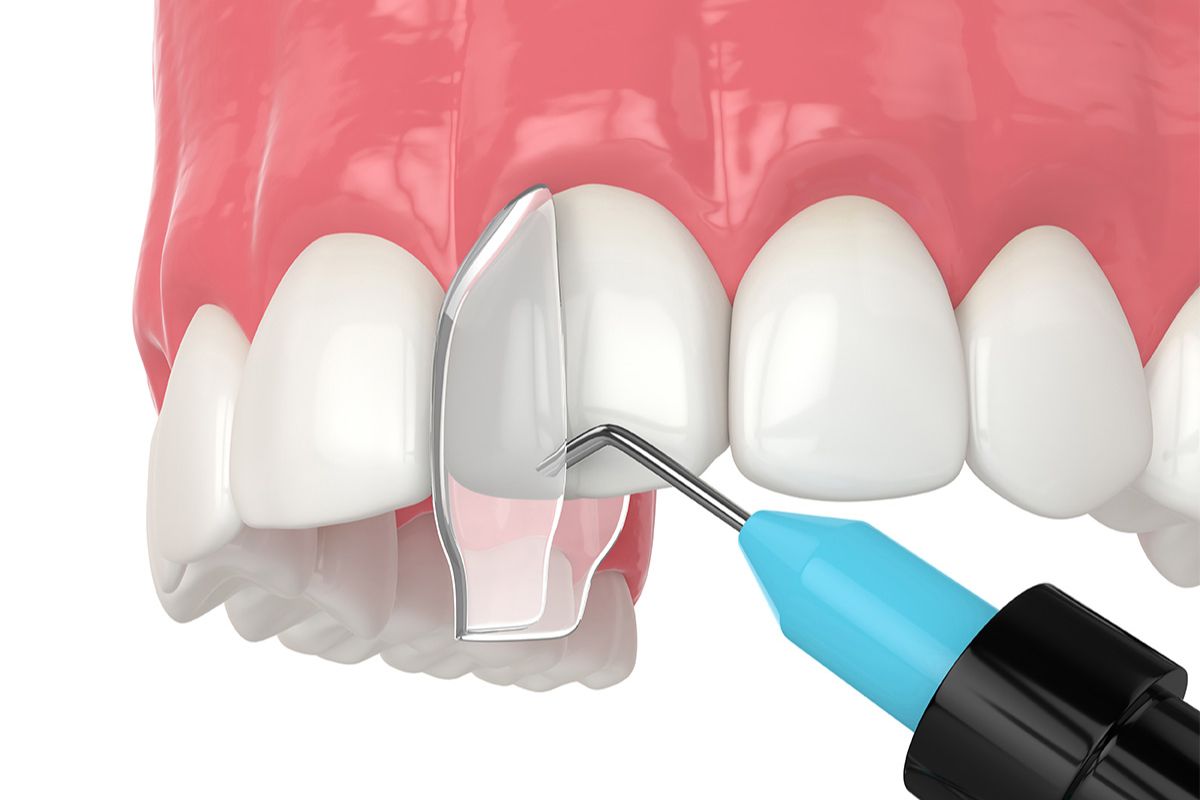
The surface of your tooth is lightly roughened, and a bonding liquid is applied. This helps the resin attach securely to your tooth.
Resin Application and Shaping
A soft, tooth-colored resin is placed on your tooth. It is carefully molded to correct imperfections and enhance your smile.
Final Polishing
The bonded area is trimmed and polished to blend naturally with your other teeth.
Does dental bonding hurt? It is a common query for many patients, but in reality, the entire procedure usually takes less than an hour per tooth. Therefore, you can get back to your usual activities immediately.
What to Expect After Dental Bonding?
One of the biggest advantages of dental bonding is the minimal downtime. Your new bonded tooth will be ready to use as soon as you leave the office. However, a few simple habits can help protect your results:
- Maintain daily oral hygiene by brushing and flossing regularly.
- Avoid staining foods and drinks such as coffee, tea, and red wine for the first couple of days.
- Schedule routine dental checkups to monitor your bonded tooth and overall oral health.
- Contact a trusted dental practitioner if the bonded area feels rough or your bite feels uneven.
Can You Expect Sensitivity During the Procedure?
Most patients experience minimal or no discomfort during or after bonding. At most, you might feel mild sensitivity to hot or cold foods for a day or two, especially if the treated area is near the gumline. Using toothpaste for sensitive teeth and avoiding extreme temperatures helps. If you are still wondering, “Does dental bonding hurt?” Don’t worry! Pain is rare and temporary.
When is Dental Bonding Not the Ideal Choice?
While bonding works well for certain cosmetic concerns, it may not be suitable for:
- Large chips or cracks
- Severe tooth decay
- Teeth with excessive wear from grinding
- Major gaps or misalignment
- Patients with heavy bite forces that could damage the bonding
In such cases, options like veneers, crowns, or orthodontic treatment may provide better, longer-lasting results.
Dental bonding offers a simple, fast, and painless way to improve your smile. With minimal preparation and quick results, it is an ideal choice for many patients looking for a cosmetic upgrade without a long recovery.
However, if you want your dental health to be in top shape and you want to achieve the smile you deserve, seek professional care from the most reliable cosmetic dentist. Now you can skip the hassle of finding your ideal dental care provider in Houston. Call our clinic today to find out more about this procedure or your options for enhancing your smile. Schedule an appointment for a consultation.