A brighter smile has always been one of the most requested cosmetic dental treatments—but for many people, the fear of tooth sensitivity has held them back. If sipping cold water or enjoying hot coffee already causes discomfort, the idea of whitening can feel risky.
The good news? In 2026, advancements in dental science have significantly changed the game. Modern whitening techniques are not only more effective but also designed with enamel protection and sensitivity reduction in mind. At The Village Dentistry, Dr. Ashley Christensen helps patients achieve radiant smiles using methods that prioritize both aesthetics and comfort.
For those exploring teeth whitening in Houston, understanding how today’s treatments work can make all the difference in choosing the right approach.
Why Whitening Causes Sensitivity (and Why It’s Less of a Problem Now)
To understand the improvements, it helps to know what causes sensitivity in the first place.
Traditional whitening agents—typically hydrogen peroxide or carbamide peroxide—penetrate the enamel to break down stains. During this process, they can temporarily expose microscopic tubules in the dentin layer, leading to that familiar “zing” of sensitivity.
What’s changed in 2026?
Modern whitening systems now include:
- Desensitizing agents like potassium nitrate and fluoride
- pH-balanced formulas to protect enamel integrity
- Controlled-release technology for gradual whitening
- Enamel-remineralizing ingredients that strengthen teeth during treatment
This means patients can now achieve noticeable results with far less discomfort than older methods.
The Rise of Enamel-Safe Whitening
Today’s whitening isn’t just about removing stains—it’s about preserving and even improving enamel health.
Key innovations include:
1. Bioactive Whitening Gels
These formulas actively support enamel by replenishing minerals lost during daily wear.
2. LED-Accelerated Treatments
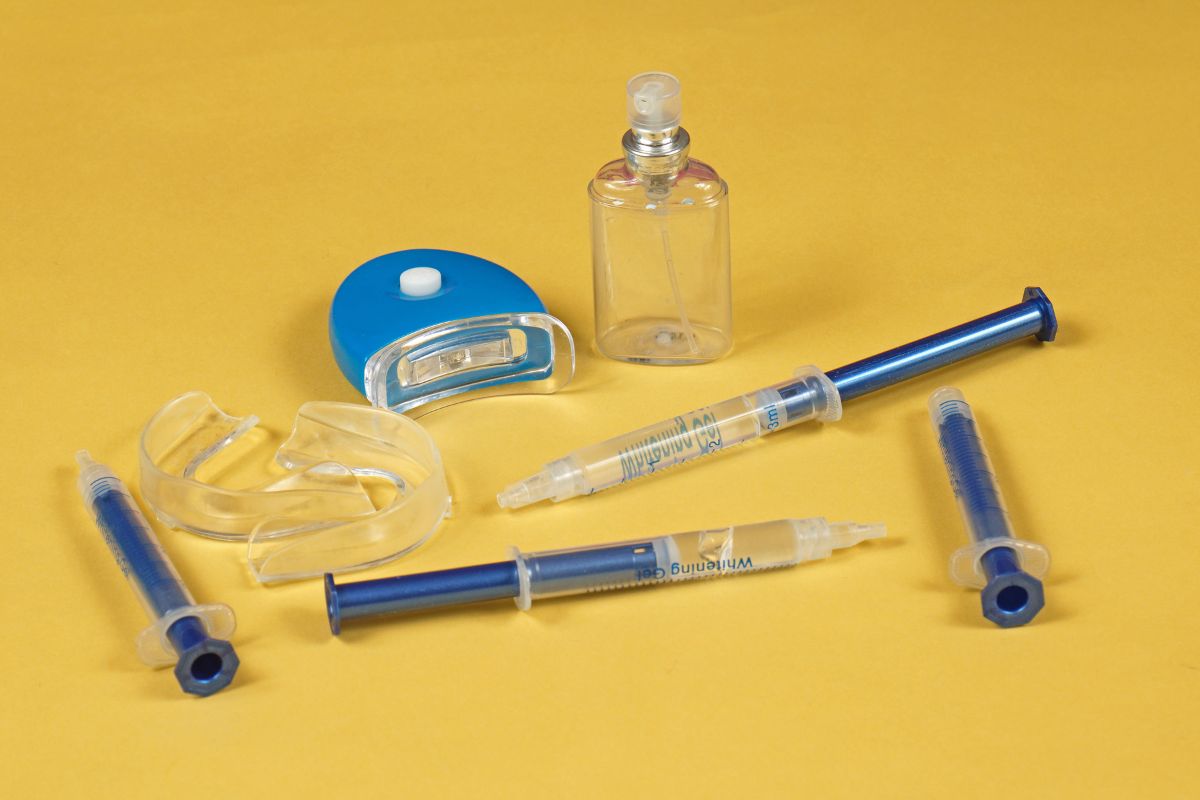
Used in professional settings, these enhance whitening efficiency while reducing exposure time—minimizing sensitivity risks.
3. Custom-Fit Trays
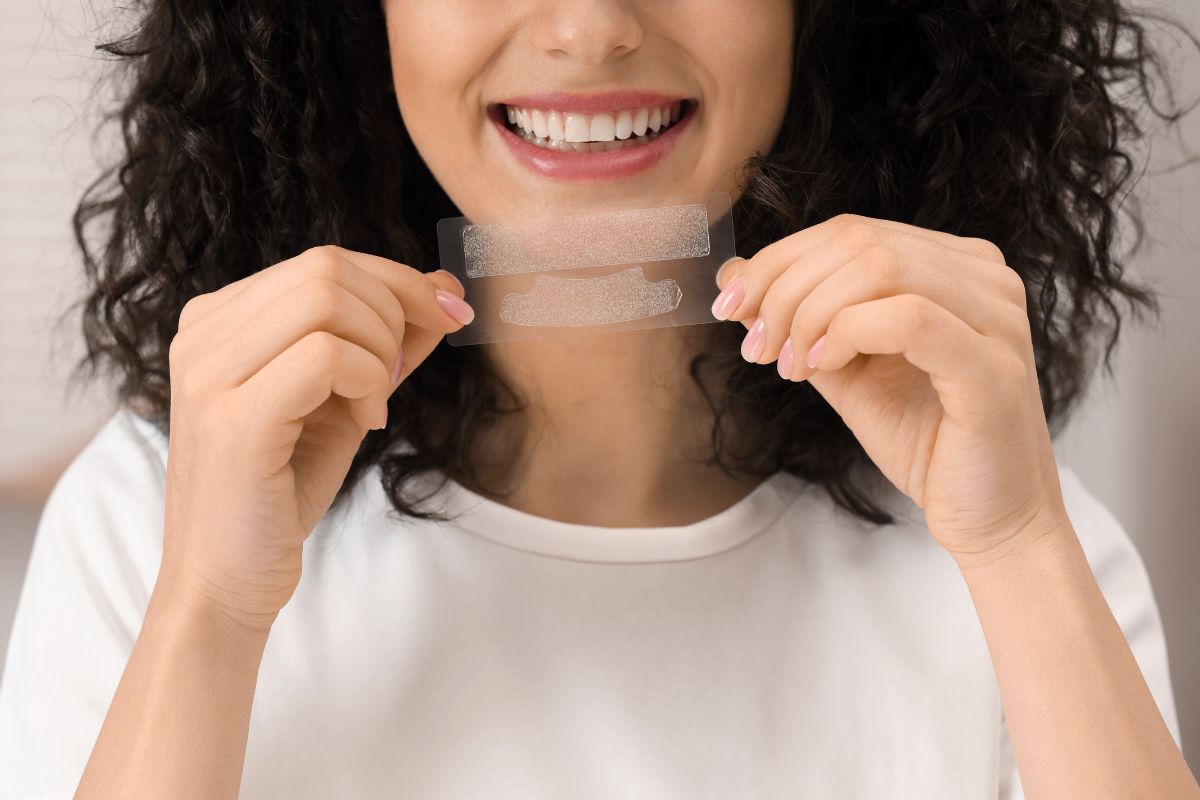
Unlike over-the-counter strips, professional trays ensure even application and reduce gum irritation.
At The Village Dentistry, these technologies are tailored to each patient, ensuring a balance between effectiveness and comfort.
Who Is Most Likely to Experience Sensitivity?
Even with advanced solutions, some individuals are naturally more prone to sensitivity. These include:
- People with thin enamel
- Patients with gum recession
- Those with untreated cavities or worn fillings
- Individuals who frequently consume acidic foods (common in Houston’s vibrant food scene)
The key is proper evaluation. A personalized consultation helps determine the safest whitening approach.
Local Insight: Whitening in Houston’s Lifestyle
Living in Houston comes with its own set of habits that can impact tooth color:
- Coffee from local favorites during morning commutes
- Barbecue sauces and spices that can stain enamel
- Red wine and social dining in areas like The Heights or Midtown
These lifestyle factors make whitening a popular choice—but also highlight the need for safe, repeatable treatments that don’t damage enamel over time. That’s why many locals seeking teeth whitening in Houston are turning to professional care rather than DIY options.
Professional vs. Over-the-Counter Whitening
Over-the-Counter Options
- Lower cost upfront
- One-size-fits-all application
- Higher risk of uneven results and sensitivity
Professional Whitening
- Customized to your enamel condition
- Includes protective and desensitizing agents
- Faster, more predictable results
In a clinical setting, whitening is monitored and adjusted in real time—something at-home kits simply cannot replicate.
Tips to Minimize Sensitivity During Whitening
If you’re considering whitening, these strategies can help:
- Use a sensitive toothpaste two weeks before treatment
- Avoid acidic foods and drinks during the whitening period
- Follow professional guidance on duration and frequency
- Stay hydrated—saliva helps protect enamel
- Don’t overdo it—more frequent whitening doesn’t mean better results
What to Expect After Treatment
Most patients experience:
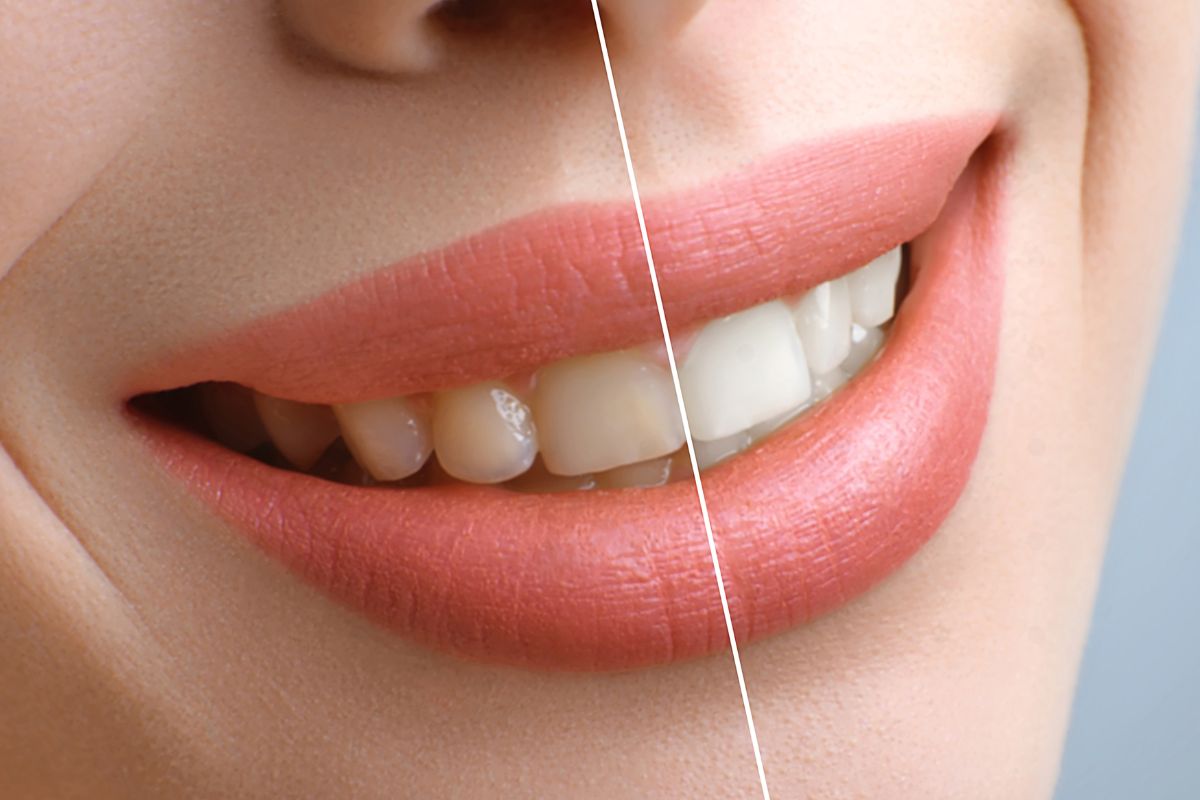
- Immediate improvement in brightness
- Minimal to no sensitivity
- Continued enhancement over a few days
Any mild sensitivity that does occur is typically temporary and resolves quickly with proper care.
Why Personalized Care Matters
No two smiles are the same. Factors like enamel thickness, lifestyle habits, and dental history all influence how whitening should be approached.
Dr. Ashley Christensen and the team at The Village Dentistry focus on:
- Thorough pre-treatment evaluations
- Customized whitening plans
- Ongoing care to maintain results safely
For patients exploring teeth whitening in Houston, this level of personalization ensures both safety and satisfaction.
FAQs
1. Is teeth whitening safe for enamel?
Yes—when performed correctly. Modern treatments are designed to protect and even strengthen enamel.
2. Will I experience sensitivity after whitening?
Most patients experience little to no sensitivity with today’s advanced formulas. Any discomfort is usually temporary.
3. How long do results last?
Results can last several months to a few years, depending on diet and oral hygiene habits.
4. Can I whiten my teeth if they are already sensitive?
Yes, but it’s important to choose a professional treatment tailored to your needs.
5. Is professional whitening better than store-bought kits?
Yes. Professional treatments are safer, more effective, and customized for your teeth.
Ready for a Brighter, More Comfortable Smile?
Teeth whitening has evolved far beyond the days of painful treatments and unpredictable results. With enamel-safe technology and personalized care, achieving a radiant smile is now more comfortable than ever. For those considering teeth whitening in Houston, The Village Dentistry offers advanced solutions designed with both beauty and oral health in mind. Booking a consultation is the first step toward a brighter smile—without the sensitivity.
**Disclaimer: This content should not be considered medical advice and does not imply a doctor-patient relationship.