2402 Rice Boulevard, Suite C Houston, TX 77005

What Your Hygienist Actually Does During a Professional Cleaning

By The Village Dentistry | November 10, 2026
Many patients sit down in the dental chair and wonder exactly what is happening. Understanding what your hygienist actually does during a professional cleaning in Southside Place can ease anxiety and help you get more from every visit. At The Village Dentistry, Dr. Ashley Christensen and our hygiene team believe informed patients make better decisions about their health. This guide walks you through each step — the tools, the techniques, and why each one matters.
Step One: The Initial Exam and Health Review
Your appointment does not start with a toothbrush. It starts with a conversation and a careful review of your health history. Your hygienist checks for any new medications, health conditions, or concerns since your last visit. Even changes like blood pressure medications can affect your oral health significantly.
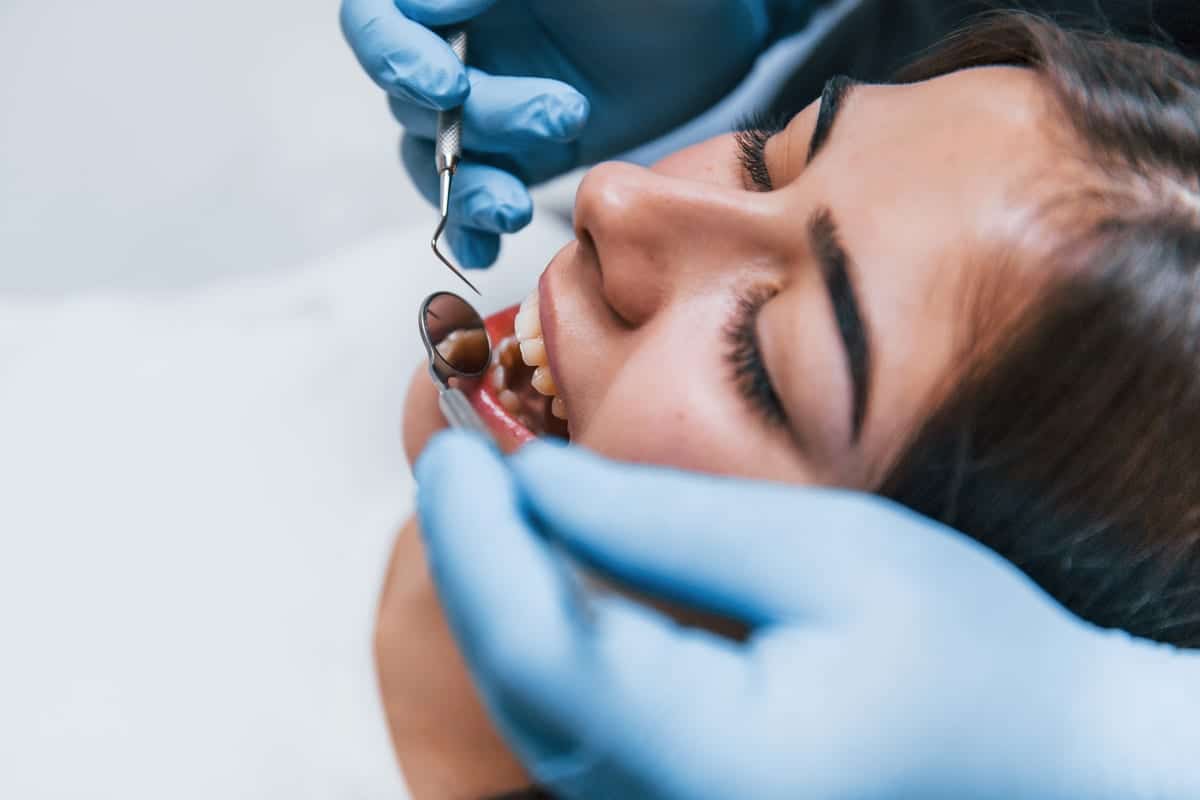
Next, your hygienist performs a visual exam of your gums, teeth, and soft tissues. They use a small mirror to see areas that are hard to spot on your own. This early look helps flag anything that needs the dentist’s attention. It also sets the baseline for your full cleaning.
Your hygienist may also check for signs of oral cancer during this stage. They examine your cheeks, tongue, and throat for unusual spots or swelling. Catching these signs early makes a real difference in outcomes. This part of the visit is quick but critically important.
What Your Hygienist Actually Does During Scaling and Tartar Removal
Scaling is the core of what your hygienist actually does during a professional cleaning in Southside Place. Plaque hardens into tartar — also called calculus — and a toothbrush simply cannot remove it. Your hygienist uses a metal scaler or an ultrasonic device to break it away from the tooth surface. The ultrasonic tool vibrates at high speed and flushes the area with water simultaneously.
Your hygienist focuses closely on the gumline and between teeth. These are the spots where tartar builds up fastest and causes the most damage. Left untreated, tartar leads to gum disease and eventual bone loss. Regular removal protects both your teeth and the supporting structures beneath them.
During scaling, your hygienist is also probing gum pockets. They use a thin, blunt tool called a periodontal probe. Healthy pockets measure between one and three millimeters. Deeper readings signal gum disease that may require additional treatment beyond a standard cleaning.
- Plaque is soft and sticky — it forms within hours of brushing
- Tartar is hardened plaque that only a professional can remove
- Ultrasonic scalers use vibration and water to break apart deposits
- Pocket depth measurements help detect early gum disease
- Regular scaling prevents the bone loss linked to periodontitis
Polishing, Flossing, and the Final Rinse
After scaling, your hygienist polishes your teeth using a small rubber cup and a gritty paste called prophylaxis paste. This paste removes surface stains and smooths the enamel. Smooth enamel makes it harder for plaque to stick between appointments. The polishing step leaves your teeth feeling noticeably clean and looking brighter.
Professional flossing comes next. Your hygienist slides floss between every tooth to clear any remaining debris. They also check for tight contacts or areas where floss shreds consistently. Those spots can indicate a cracked filling or a space that traps bacteria easily.
A fluoride rinse or fluoride treatment often closes out the cleaning. Fluoride strengthens enamel and helps resist decay between visits. Your hygienist may apply a foam tray or paint a varnish directly onto your teeth. This protective step takes only a minute or two but delivers lasting benefits.
What the Hygienist Is Actually Looking For — and Why It Matters in Southside Place
Your hygienist is doing much more than cleaning during your appointment. They are actively screening for conditions that can escalate quickly without care. Early gum disease, also called gingivitis, is reversible when caught in time. Advanced gum disease, called periodontitis, can result in tooth loss and may connect to systemic health conditions.
Hygienists also look for signs of decay between teeth and at old restoration margins. They note worn enamel that may signal grinding or acid erosion. They flag sensitive areas that could indicate recession or root exposure. All of these findings get communicated directly to Dr. Ashley Christensen for follow-up.
Some findings during a cleaning reveal the need for further dental work. Patients dealing with tooth pain or swelling should not wait for a scheduled cleaning. Dental Emergencies Southside Place patients face require prompt attention outside the regular hygiene schedule. The Village Dentistry is here to help when urgent situations arise.
Missing teeth also affect how your hygienist cleans and what they find. Gaps shift surrounding teeth and create new plaque traps. Many patients in Southside Place explore Dental Implants Southside Place residents choose as a permanent solution to restore function and spacing. Your hygienist can discuss how implants affect your cleaning routine as well.
What to Expect After Your Cleaning
Most patients leave a professional cleaning with smoother teeth and fresher breath. Your gums may feel slightly tender if tartar buildup was heavy. This sensitivity usually fades within a day or two. Rinsing with warm salt water can ease any mild discomfort.
Your hygienist will give you personalized home-care tips before you leave. These recommendations are based on what they observed during your visit. They may suggest a different toothbrush, a water flosser, or a specific toothpaste. Tailored advice is far more useful than generic brushing reminders.
- Brush twice daily using a soft-bristled toothbrush
- Floss at least once each day, ideally before bed
- Use any tools or rinses your hygienist specifically recommended
- Schedule your next cleaning before you leave the office
- Call right away if sensitivity or bleeding persists beyond two days
Most adults benefit from a professional cleaning every six months. Patients with active gum disease may need visits every three to four months. Your hygienist and Dr. Christensen will help you determine the right schedule for your specific needs. Consistency is the single biggest factor in long-term oral health.
Schedule Your Professional Cleaning at The Village Dentistry
Now that you know what your hygienist actually does during a professional cleaning in Southside Place, there is no reason to put it off. Each step of the process protects your teeth, your gums, and your overall health. The Village Dentistry team makes every visit comfortable, thorough, and educational. Book Now to schedule your appointment with our team.
Frequently Asked Questions
How long does a professional dental cleaning take?
Most standard cleanings take between 45 minutes and one hour. Patients with significant tartar buildup or gum disease may need more time. Your hygienist will let you know if additional appointments are needed to complete your care.
Is a professional cleaning painful?
Most patients experience little to no discomfort during a routine cleaning. Sensitivity is more common when tartar buildup is heavy or gums are inflamed. Your hygienist can adjust pressure and technique to keep you comfortable throughout the visit.
What is the difference between a regular cleaning and a deep cleaning?
A regular cleaning — called prophylaxis — maintains healthy teeth and gums above and at the gumline. A deep cleaning — called scaling and root planing — treats active gum disease by cleaning below the gumline. Your hygienist determines which type you need based on pocket depth measurements and gum health.
How often should I get a professional teeth cleaning in Southside Place?
Most adults benefit from a cleaning every six months. Patients managing gum disease, dry mouth, or other risk factors may need visits every three to four months. Dr. Ashley Christensen and your hygienist will recommend the right schedule for your individual needs.
Can a cleaning help with bad breath?
Yes. Professional cleanings remove tartar, bacteria, and debris that cause persistent bad breath. If bad breath continues after a cleaning, it may signal an underlying issue like gum disease or decay. Your hygienist will note this and discuss it with Dr. Christensen during your appointment.