2402 Rice Boulevard, Suite C Houston, TX 77005

5 Common Types of Dental Trauma and How to Prevent Them

By The Village Dentistry | April 1, 2025
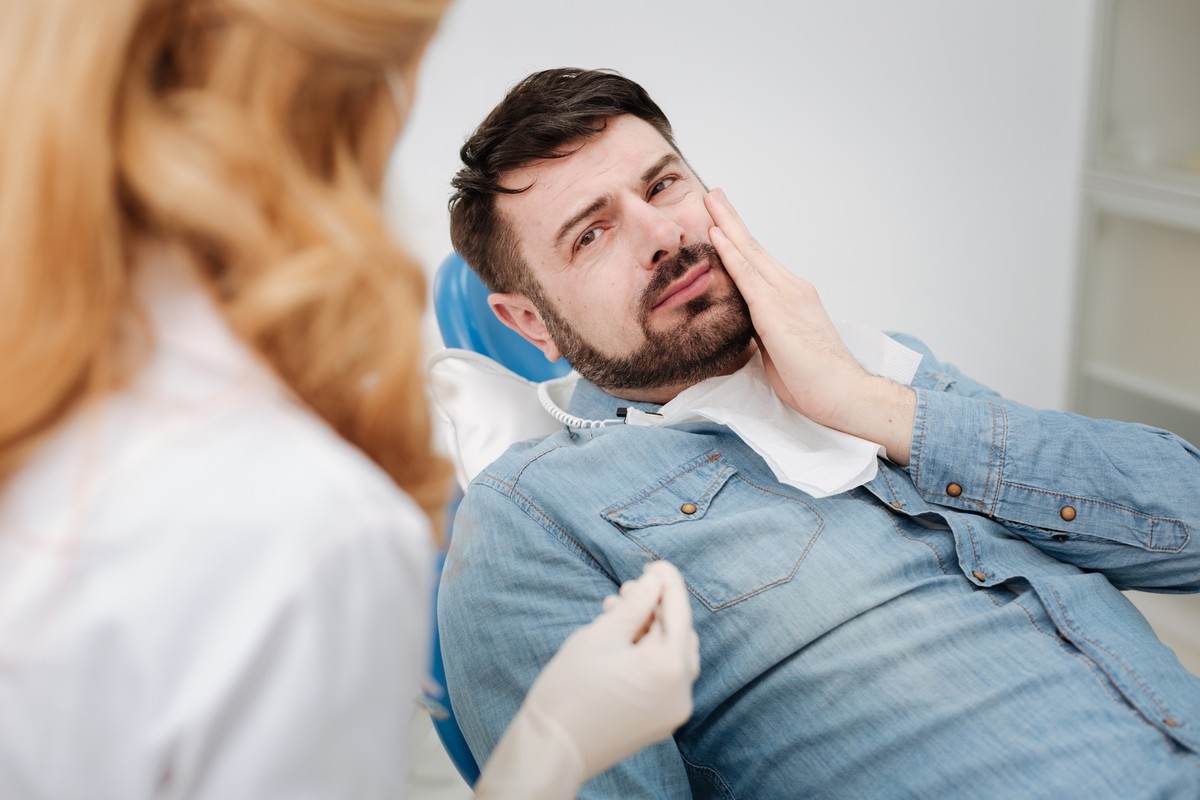
Dental trauma is common in all age groups. It primarily occurs due to accidents, falls, or sports injuries. No matter the situation, it affects oral health, from minor chips to severely damaged teeth, fractures, and even permanent tooth loss. Prompt medical assistance can treat different types of dental trauma, but leaving it untreated will result in lasting damage, raising concerns about infections and other complications. Comprehending the situation is the first step to saving your tooth.
So what is the next step? Knowing how to prevent them from occurring will help preserve long-term oral health.
Dental Trauma You Must Be Concerned For
Soft tissue injuries can cause prominent harm to your teeth and gums if not treated quickly. Knowing the most common types can help you respond in a timely manner to professional care. Here are the top five traumatic dental injuries to watch out for.
Broken Teeth – It Is More Than A Crack
A broken tooth occurs when you bite on hard foods or are struck suddenly. The severity of the damage can cause pain, making the area sensitive.
Prevention Tips:
- Do not chew on ice, hard candy, or other hard foods.
- Wear a protective mouth guard when playing sports.
- Do not use your teeth to open packages or bottles.
Knocked Out Tooth – The Tooth Moves Out Of The Socket
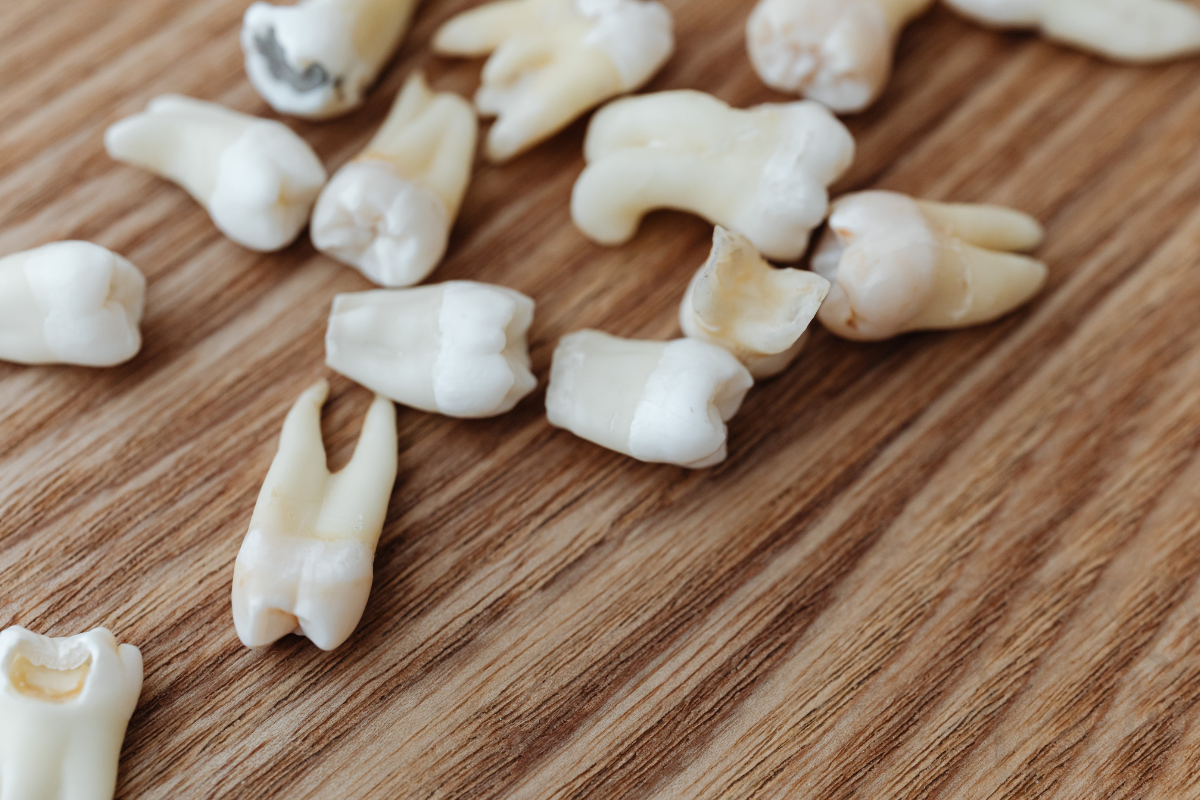
An avulsed tooth is one of the most severe types of oral injury. Restoration can be attempted by professional caregivers only if treatment is done on time. If left untreated, you can lose a tooth permanently.
Prevention Tips:
- Always use a mouthguard when playing sports.
- Avoid slippery surfaces to avoid falling.
- If an accident occurs, keep the tooth moist and immediately visit our emergency dentist in Houston.
Tooth Luxation: When a Tooth Is Dislocated
When a tooth moves out of alignment, it becomes loose, affecting its supporting structures. It results in soreness and discomfort while eating and speaking.
Prevention Tips:
- Be careful while doing daily life activities that increase the risk of injury.
- Do not try to push the teeth back into alignment by yourself.
- Get a dentist’s help immediately so as not to damage the condition further.
Intruded Teeth: Teeth Pushed Into The Jaw
Traumatic dental injuries (TDIs) of permanent teeth occur frequently in children and young adults. A forceful fall can push the tooth upwards into the jawbone, causing pain and potential nerve damage.
Prevention Tips:
- Make sure young children play in a safe environment to avoid abrupt falls.
- Wear proper protective equipment during sports and physical activities.
- If a tooth is pushed inward, get immediate care to avoid complications.
Cracked Tooth Syndrome: Damaged Teeth Hidden From View
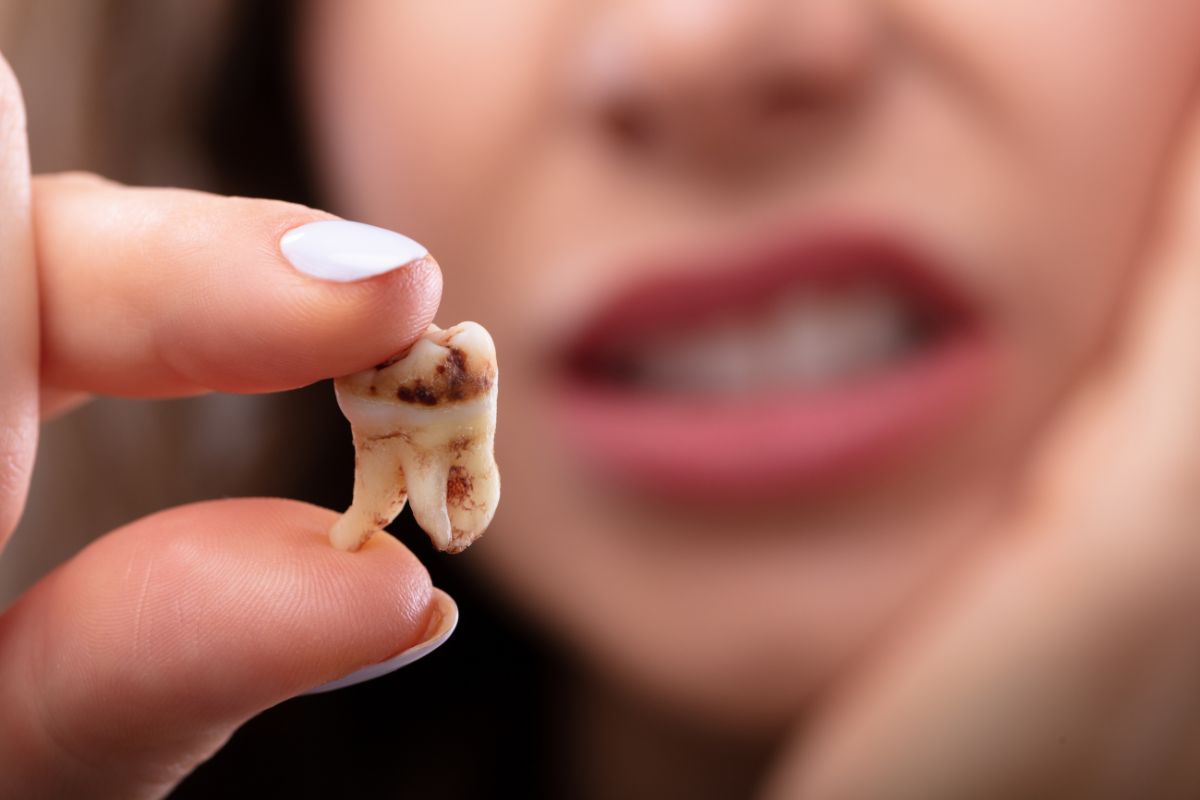
Tiny cracks in a tooth are sometimes undetectable, but they can cause pain when biting or chewing. This is an oral condition caused by grinding or biting on hard objects.
Prevention Tips:
- Refrain from grinding your teeth or biting pens.
- If you suffer from bruxism during sleep, wear a protective guard.
- Do not overlook sensitivity or pain in the teeth.
Can Immediate Treatment Really Help?
Receiving immediate treatment for different types of dental trauma is necessary to protect your oral health. Delaying it can cause infections, tooth loss, or more abrasive procedures such as root canals. Home remedies like rinsing a dislodged tooth or placing it in milk may save it. However, with professional care, you can alleviate pain and return the mouth to normal functionality.
Find Help At The Village Dentistry For Dental Trauma
At The Village Dentistry, we offer specialized care for soft tissue injuries. Our emergency dental clinic in Houston has an experienced team adept at cutting-edge techniques and the latest technology to effectively address a wide range of dental injuries, aiming for optimal patient results.
You can rely on us for compassionate and timely treatment customized to meet your requirements. Book an appointment today for further details. Let us take charge of your oral concerns and treat them so you can live a quality life.