2402 Rice Boulevard, Suite C Houston, TX 77005

Is Dental Bonding Permanent? What You Need to Know

By The Village Dentistry | December 19, 2025
Tooth bonding is one of the most popular cosmetic dental treatments available today. It’s often used to improve the appearance of teeth, fix imperfections, or restore damage. Many patients wonder, ‘Is dental bonding permanent?’ The short answer is no, but understanding why and how long bonding lasts is crucial for making informed decisions about your dental care.
In this blog, you will learn everything about the longevity of bonding treatments, the factors that affect their lifespan, and why they are a great option for many patients. We’ll also address common concerns and questions so that you can feel confident in your treatment choice.
What Is Dental Bonding?
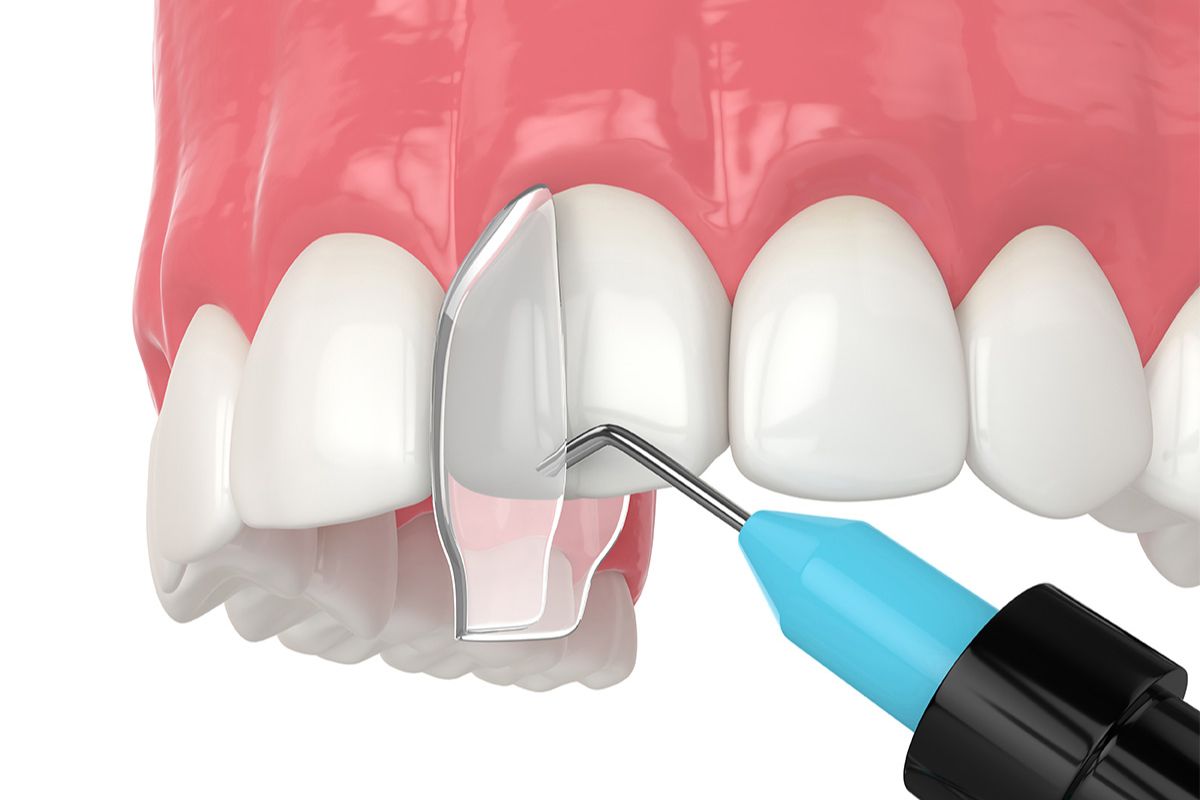
This cosmetic procedure involves applying a tooth-colored resin to a tooth to correct minor imperfections. The bonding material is molded and hardened with a special light to match the shape and color of your natural teeth. Dental practitioners apply this treatment to fix the following issues:
- Repair chipped or cracked teeth
- Close gaps between teeth
- Change the shape of a tooth
- Whitening a discolored tooth
If you opt for cosmetic bonding Houston at The Village Dentistry, it turns out to be a quick, non-invasive treatment that’s highly effective for improving many cosmetic dental imperfections.
Is the Bonding Treatment Permanent?
To answer your query about ‘Is dental bonding permanent?’, the answer is no. While it can last for several years, it is not a lifelong solution like dental crowns or veneers. Typically, this treatment lasts between 3 and 10 years. It depends on various factors, such as your oral habits, the location of the bonding, and the type of material used.
The main reason it isn’t permanent is that the material used in this procedure is not as durable as your natural tooth enamel. Over time, it can wear down, stain, or chip. However, the material itself is designed to blend seamlessly with the tooth, providing a natural-looking and functional solution throughout its lifespan.
How Long Does Cosmetic Bonding Last?
Longevity depends on several factors, including:
Location in the Mouth: Bonding placed on teeth that endure heavy chewing pressure, such as the back molars, may wear down faster than bonding on the front teeth.
Oral Habits: Habits like biting your nails, grinding your teeth, or chewing on hard objects can shorten the lifespan of your treatment.
Care and Maintenance: Maintaining proper dental hygiene, including brushing, flossing, and regular check-ups, can significantly increase the longevity of the bonding.
Material Used: Some bonding materials are more durable than others. Composite resins are the most commonly used material; however, the quality of the resin can significantly impact its longevity.
How to Maintain Your Tooth Bonding?
Here are some tips to help extend the lifespan of your cosmetic bonding Houston:
- Avoid Hard Foods: Crunching on ice, chewing pens, or biting into hard candies can cause the bonding to chip or crack.
- Stop Smoking: Smoking can stain the bonding material, making it look discolored and less natural.
- Maintain Good Oral Hygiene: Brush your teeth twice a day, floss regularly, and visit your dentist for routine cleanings.
- Use a Mouthguard: If you grind your teeth, a mouthguard can protect your bonding from unnecessary wear.
How Beneficial is the Bonding Treatment?
Despite its temporary nature, bonding remains an excellent option for many people. So, for people who are thinking, ‘Is tooth bonding permanent?’ and questioning its effectiveness, here are some key benefits:
Quick and Affordable: It is one of the fastest cosmetic dental treatments and is generally more affordable than crowns or veneers.
Minimal Tooth Removal: Unlike other dental treatments, bonding doesn’t require the removal of a significant amount of tooth structure.
Versatile: Bonding can address a variety of cosmetic concerns, from minor chips to discoloration.
What Happens When Tooth Bonding Wears Down?
When bonding starts to wear down, you may notice the following:
Staining: Over time, the resin can become discolored, especially if you consume staining substances like coffee, wine, or tobacco.
Chipping or Cracking: As the bonding material wears down, it can become more prone to damage from everyday activities, such as chewing.
Loss of Shine: The bonding material may lose its luster over time, making it appear dull compared to your natural teeth.
If any of these occur, a trusted dentist can easily repair or replace the bonding material to restore your smile.
Now that you have reached the end of the blog, we hope you have found the answer to your question, ‘Is dental bonding permanent?’ Although the answer is no, this procedure still offers a reliable and long-lasting solution for enhancing your smile. For people looking for a way to improve their smile, cosmetic bonding Houston provides a fantastic, non-invasive solution. Whether you want to fix a small chip, close gaps, or make your teeth appear whiter, tooth bonding can help you achieve your goals quickly and effectively.
If you’re considering this procedure, schedule a consultation with The Village Dentistry to see how this procedure can enhance your smile. Our team of reliable professionals will provide a detailed answer to your question, ‘Is dental bonding permanent?’ along with the information you need to make informed decisions about your oral health and cosmetic goals. So, why wait? Book your appointment today!