2402 Rice Boulevard, Suite C Houston, TX 77005

What Your Hygienist Actually Does During a Professional Cleaning


By The Village Dentistry | November 10, 2026
Many patients in West University Place sit in the dental chair and wonder what is actually happening. Understanding what your hygienist actually does during a professional cleaning in West University Place helps you feel less anxious and more in control. Every step has a clear purpose. Dr. Ashley Christensen and the team at The Village Dentistry believe informed patients make better decisions about their oral health.
A professional cleaning is far more than a quick polish. Your hygienist follows a careful, structured process designed to protect your teeth and gums. Knowing what to expect makes the whole visit easier.
Step-by-Step: What Your Hygienist Does During a Professional Cleaning in West University Place
Your hygienist begins every appointment with a thorough review of your health history. They check for any changes since your last visit. This step helps them tailor the cleaning to your specific needs. It also flags any concerns before instruments ever touch your mouth.
Next, they perform a visual examination of your teeth and gums. They look for signs of redness, swelling, or unusual pockets around the gum line. This quick scan guides everything that follows. Think of it as a roadmap for the entire appointment.
Here is what typically happens during a standard professional cleaning visit:
- Health history review and update
- Visual oral exam and gum assessment
- Scaling to remove tartar buildup
- Tooth polishing with a gritty paste
- Flossing between every contact point
- Fluoride treatment if recommended
- X-rays if it is time for your scheduled series
The Scaling Process: What Each Tool Is Doing
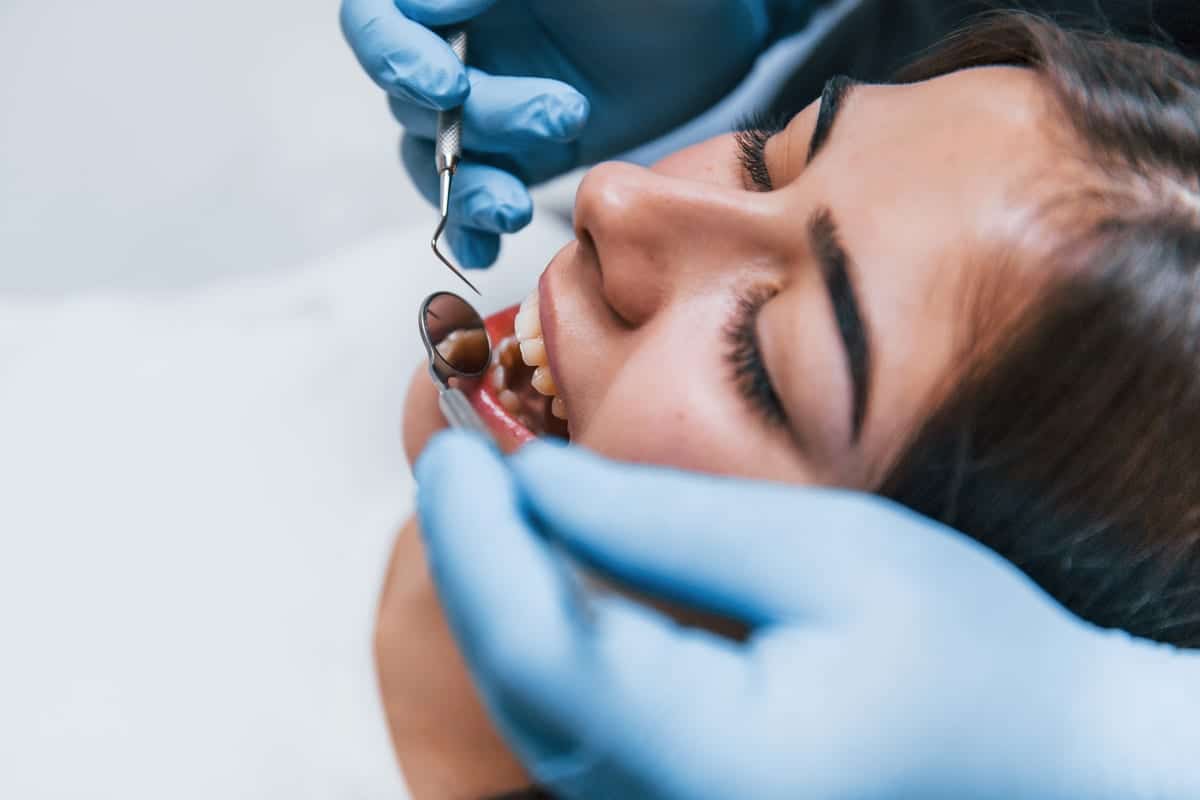
Scaling is the part of the cleaning most patients notice the most. Your hygienist uses a metal scaler or an ultrasonic device to remove tartar. Tartar is hardened plaque that brushing alone cannot remove at home. It builds up along the gum line and between teeth over time.
The ultrasonic scaler vibrates at a high frequency to break up stubborn deposits. It also sprays a fine mist of water to flush away debris. Some patients feel a slight tickling or pressure sensation during this step. It should not cause sharp pain — always tell your hygienist if you feel discomfort.
Manual scalers come in different curved shapes for different areas of the mouth. Your hygienist carefully angles each instrument to reach below the gum line. This is especially important in areas where gum disease may be developing. Early detection during this step can prevent serious problems later.
Gum Pocket Measurements and What They Reveal
Your hygienist uses a small probe to measure the space between each tooth and the surrounding gum. These measurements are recorded in millimeters. Healthy gum pockets typically measure between one and three millimeters. Deeper pockets can signal gingivitis or early periodontal disease.
This process is called periodontal charting. It sounds technical, but it is simply a way to track gum health over time. Your hygienist compares current measurements to previous visits. Consistent records help catch changes before they become serious.
If deeper pockets are found, your hygienist may recommend a deeper cleaning called scaling and root planing. They will explain this clearly before any additional treatment begins. The goal is always to give you complete information so you can make confident choices. Untreated gum disease can eventually contribute to tooth loss, which may require solutions like Dental Implants West University Place patients may need down the road.
Polishing, Flossing, and Fluoride: Finishing the Cleaning Right
After scaling, your hygienist polishes your teeth using a soft rubber cup and a mildly abrasive paste. This step removes surface stains and leaves teeth feeling smooth. The smooth surface also makes it harder for plaque to stick between visits. Most patients enjoy this part of the appointment the most.
Flossing comes next. Your hygienist works methodically through every contact point between your teeth. They are not just removing leftover debris — they are also checking for bleeding or tenderness. These signs help identify areas that need more attention at home.
Fluoride is often applied as the final step. It comes in the form of a gel, foam, or varnish. Fluoride strengthens enamel and helps protect against decay between appointments. Your hygienist will recommend it based on your individual cavity risk.
The benefits of completing every step of a professional cleaning include:
- Reduced risk of cavities and tooth decay
- Earlier detection of gum disease
- Fresher breath and cleaner feeling teeth
- A healthier baseline for your dentist to evaluate
- Peace of mind knowing your oral health is monitored regularly
When Something Unexpected Comes Up During Your Cleaning
Sometimes a hygienist notices something that needs immediate attention. A cracked tooth, an abscess, or severe gum swelling may require same-day care. The Village Dentistry team handles Dental Emergencies West University Place patients face with prompt, compassionate care. You will never be turned away if something urgent surfaces during your appointment.
Dr. Ashley Christensen reviews the hygienist’s findings after the cleaning is complete. She performs a comprehensive exam that includes checking your bite, existing restorations, and soft tissues. This two-step process — hygienist then dentist — gives you a thorough evaluation every single visit. Any follow-up needs are explained clearly before you leave.
Regular professional cleanings every six months form the foundation of good oral health. They are not just about clean teeth — they are your best defense against problems that are far harder to treat later. West University Place families trust The Village Dentistry for consistent, caring preventive care. Book Now to schedule your appointment with our team.
Frequently Asked Questions
How long does a professional teeth cleaning usually take?
Most standard professional cleanings take between 45 minutes and one hour. If you have significant tartar buildup or need periodontal charting, it may take a bit longer. Your hygienist will let you know what to expect when you arrive.
Does a professional cleaning hurt?
Most patients experience little to no discomfort during a routine cleaning. You may feel slight pressure or sensitivity, especially near the gum line. If you have sensitive teeth or gum disease, your hygienist can adjust their technique or recommend a numbing gel to keep you comfortable.
How often should I get my teeth professionally cleaned?
Most healthy adults benefit from a professional cleaning every six months. Some patients with gum disease or a higher risk of cavities may need visits every three to four months. Dr. Ashley Christensen will recommend the right schedule for your individual needs.
What is the difference between a regular cleaning and a deep cleaning?
A regular cleaning removes plaque and tartar from the tooth surface and just below the gum line. A deep cleaning, called scaling and root planing, treats more significant buildup below the gum line caused by periodontal disease. Your hygienist will explain which type you need based on your gum pocket measurements.
Can I eat after a professional cleaning?
If you received a fluoride treatment, your hygienist will typically ask you to wait at least 30 minutes before eating or drinking. For a standard cleaning without fluoride, you can eat right away. Your hygienist will give you specific instructions before you leave the office.